Modern 6 Beverly Hills, credit FOAM

Private venues for hire · Image Events
Private Event Venues & Spaces in Los Angeles
Private event venues across Los Angeles: estates, mansions, rooftops, warehouses and gardens for corporate events, brand activations, product launches and private parties, represented by one team that knows each property, its neighbors and its rules.
Private event venues across Los Angeles: estates, mansions, rooftops, warehouses and gardens for corporate events, brand activations, product launches and private parties, represented by one team that knows each property, its neighbors and its rules.
Image Events is the private-venue side of Image Locations: more than 130 event venues across greater Los Angeles, the estates, rooftops, warehouses, lofts and gardens that host corporate events, fashion and brand activations, product launches and private celebrations. We have represented these properties for more than fifteen years, so an inquiry here reaches a team that already knows each one: what the space holds for a seated dinner or a standing reception, what the neighbors will tolerate, which office a special-event permit runs through, and what the owner expects of the people using their home. Tell us the date, the guest count and the kind of event, and we answer with venues that fit, their availability checked with the owners. Browse the library below, or start with the showcase venues our clients ask for first.
Showcase venues
Event venues our clients ask for first
Every venue in the library
All Event Locations
-
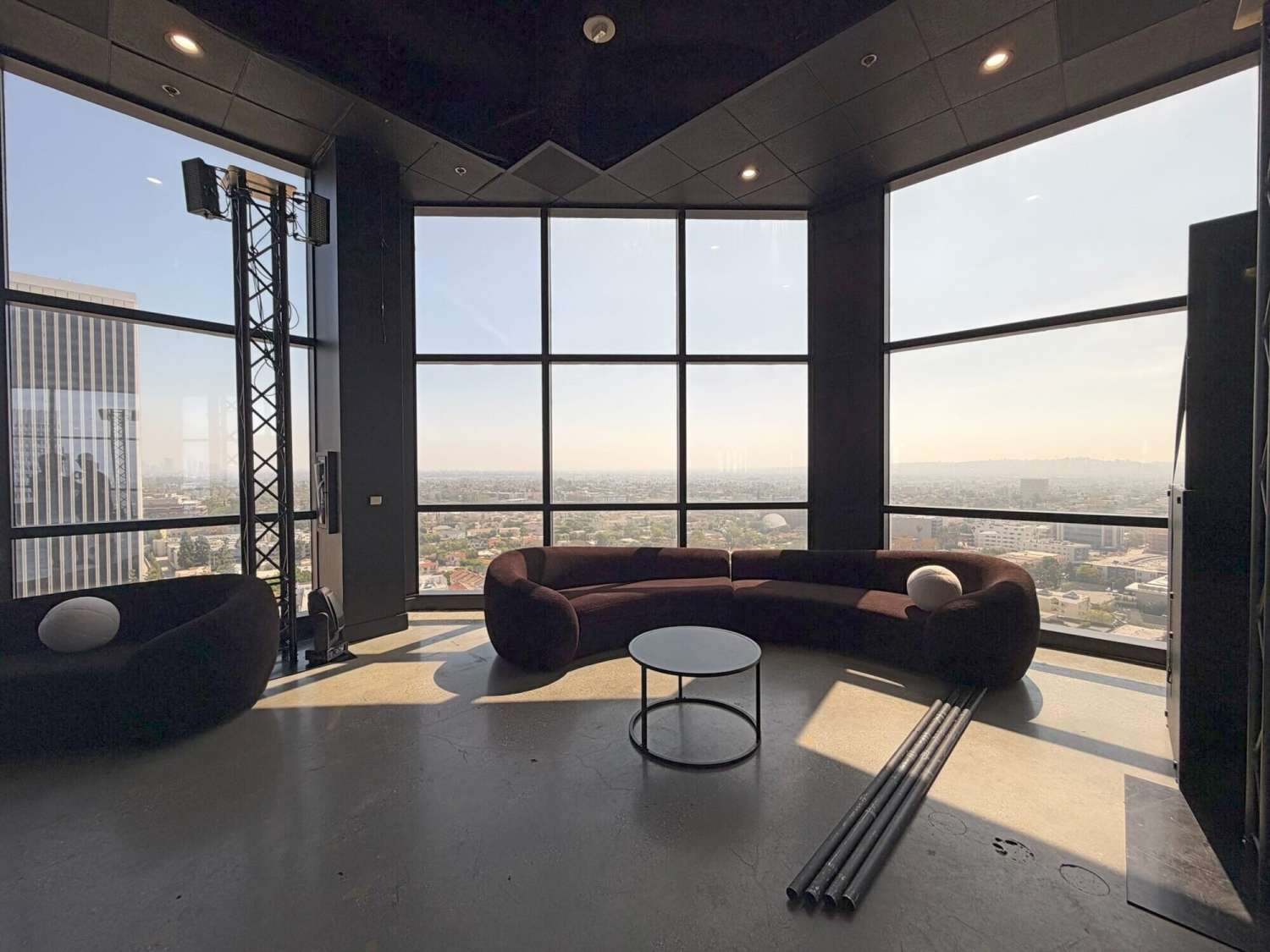
Wilshire Penthouse
Central LA
A High-Rise Central LA Event Venue
-
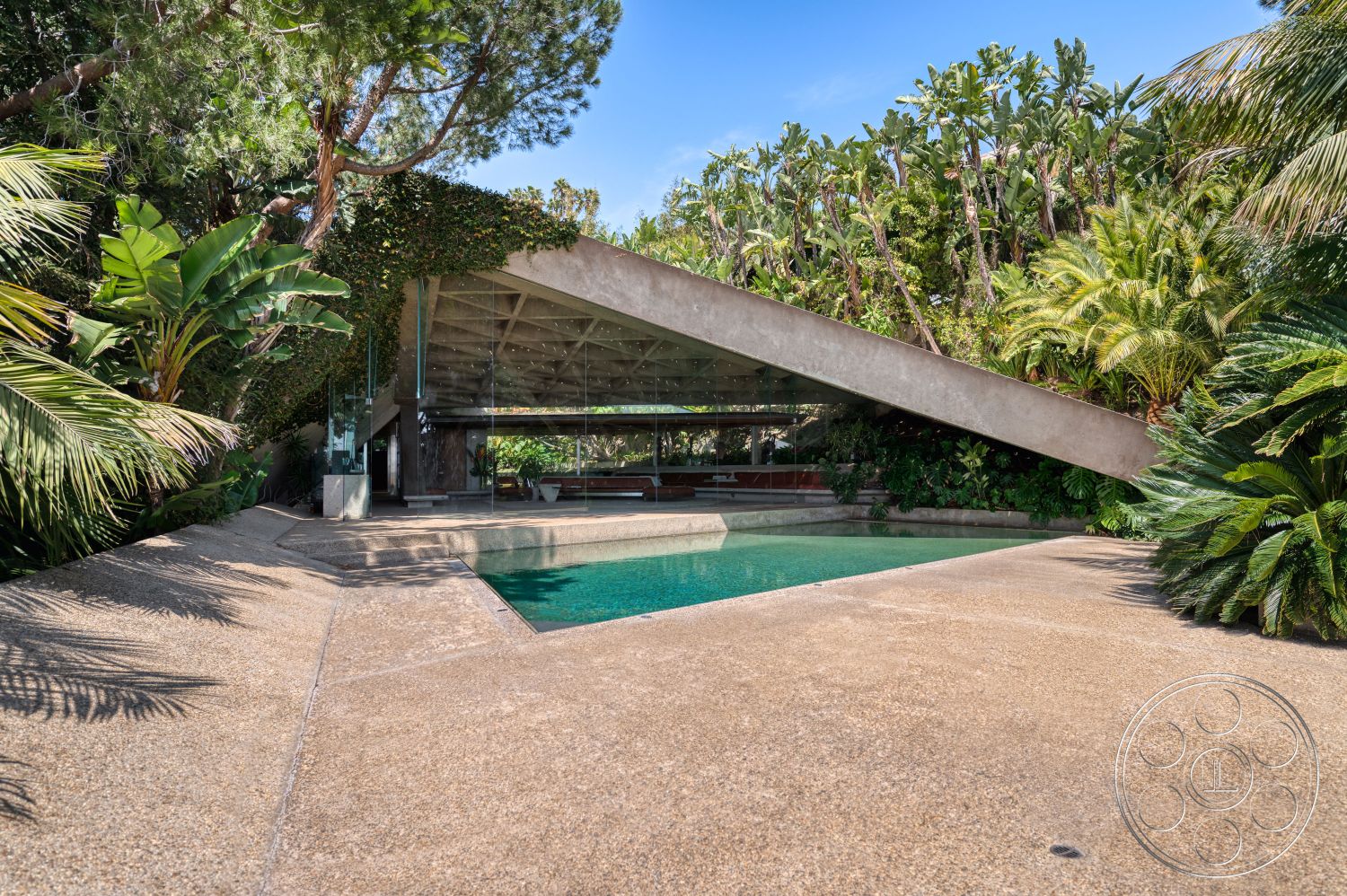
Goldstein House
Beverly Hills
Beverly Hills Event Venue Above the City
-
Pasadena Princess®
Pasadena
Pasadena Princess® is an event venue in Pasadena with Beaux-Arts salons, formal gardens, broad lawns and a…

-
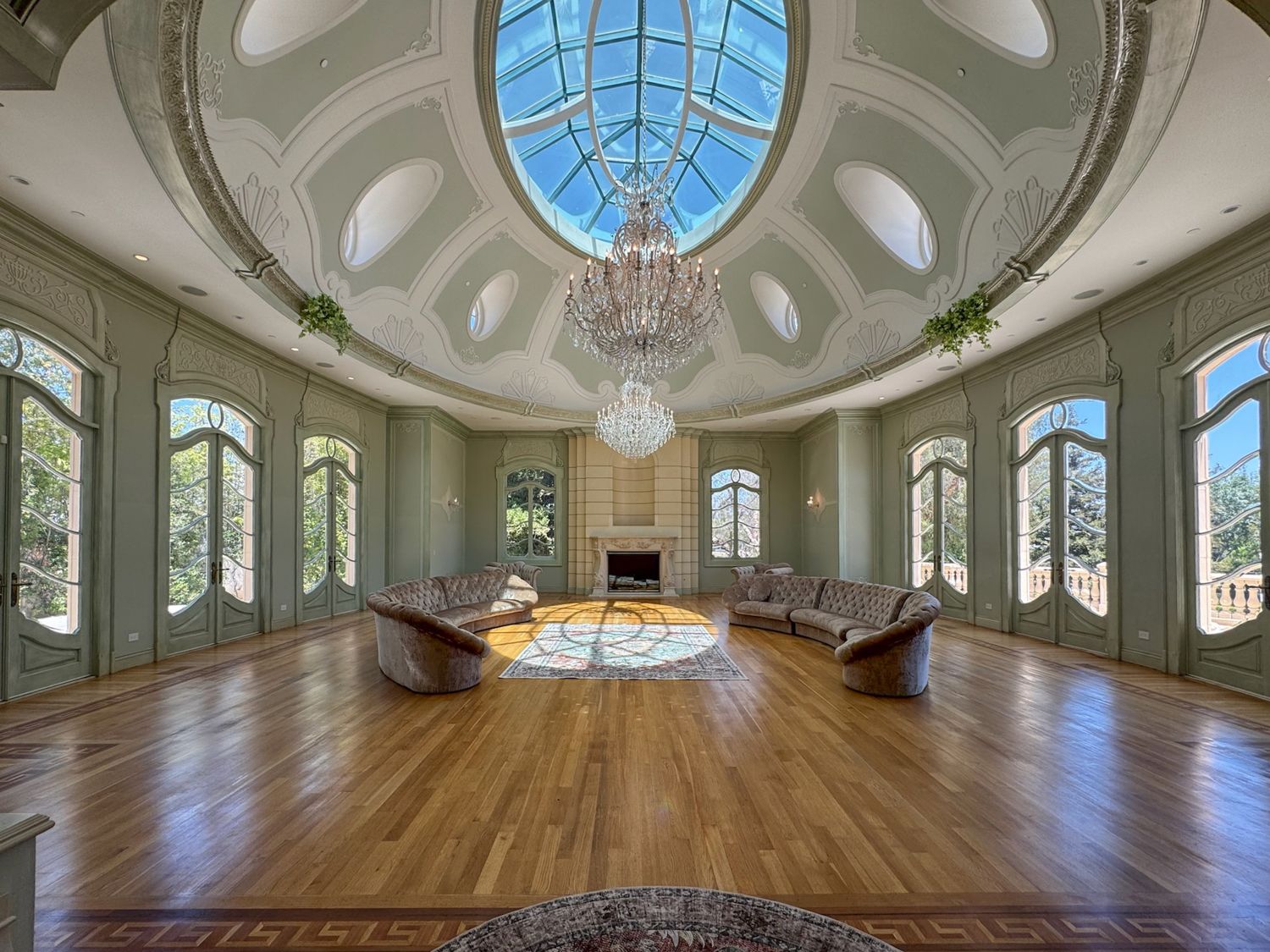
Tiffany Estate
Beverly Hills
A French château-inspired event venue in Beverly Hills with a skylit oval ballroom, marble foyer, formal…
-
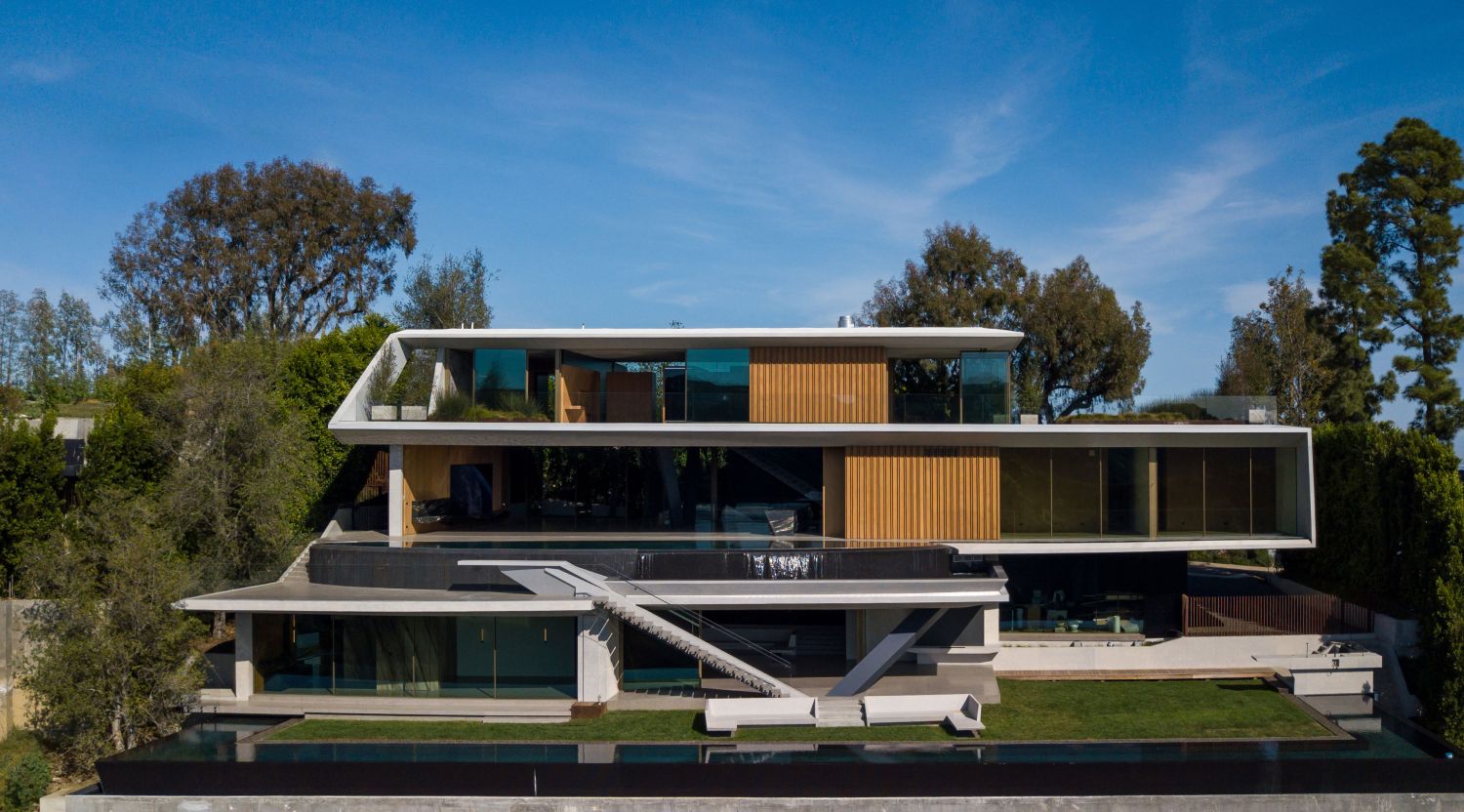
Modern 516
Bel Air
Bel Air Event Venue Above the Canyon
-
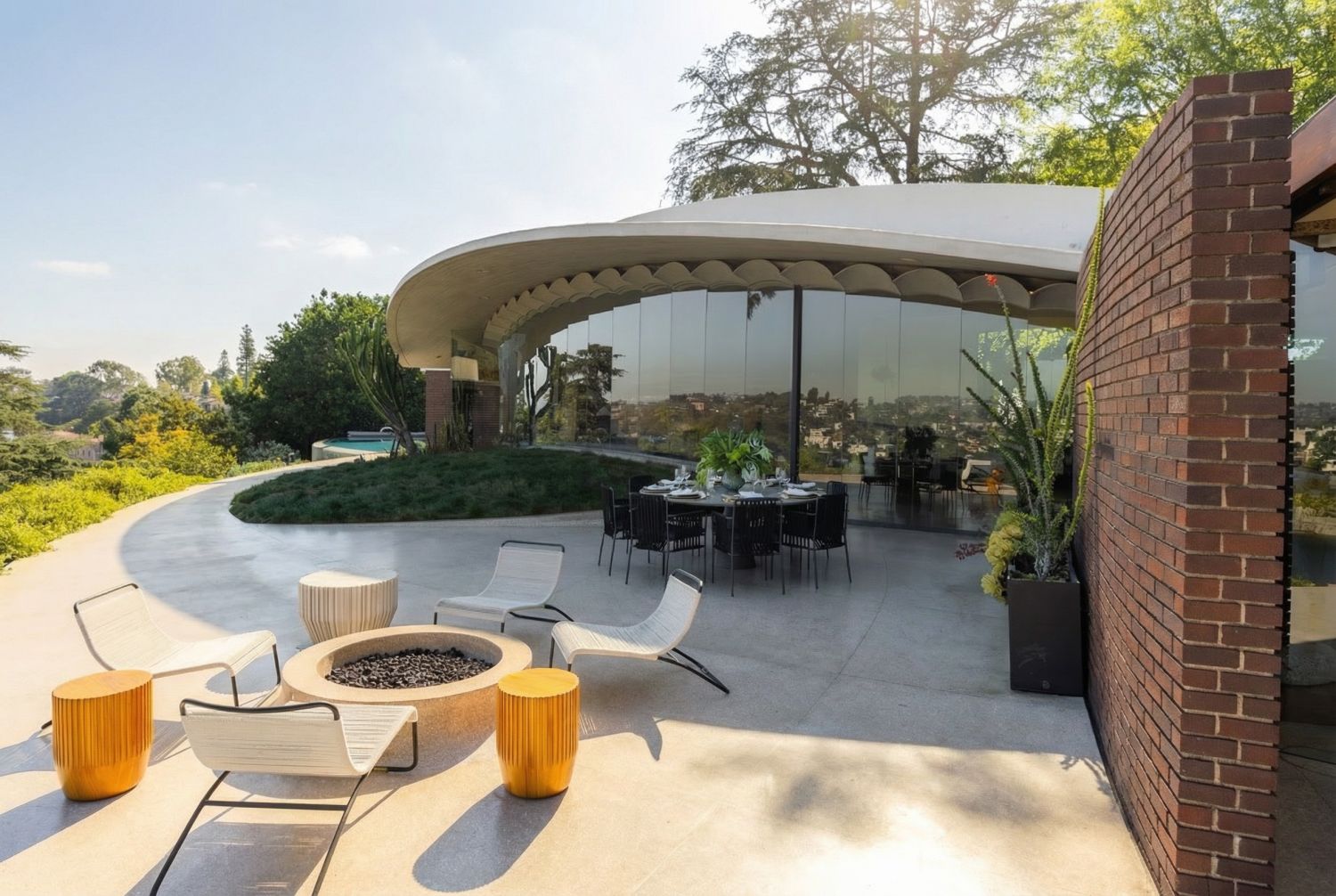
Silvertop House
Silver Lake
A Sculptural Silver Lake Event Venue
-
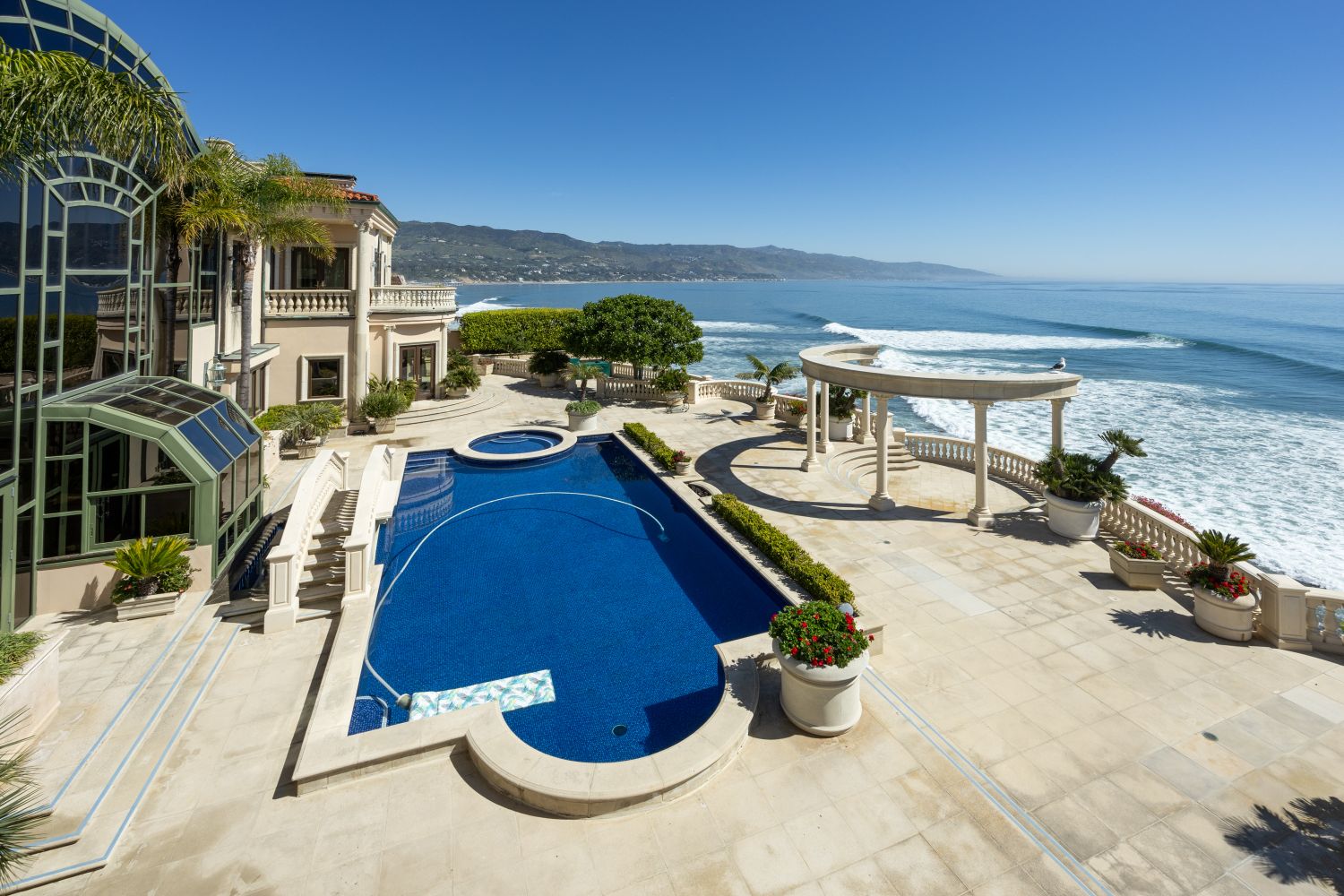
Pacifica Estate
Malibu
Pacifica Estate is a Malibu event venue with ocean views, a glass-roofed atrium, formal stair hall and…
-
Bel Air Luxe
Bel Air
A Stone-and-Glass Event Venue in Bel Air

-
Spanish 5
Pacific Palisades
A Bluff-Top Event Venue in Pacific Palisades

-
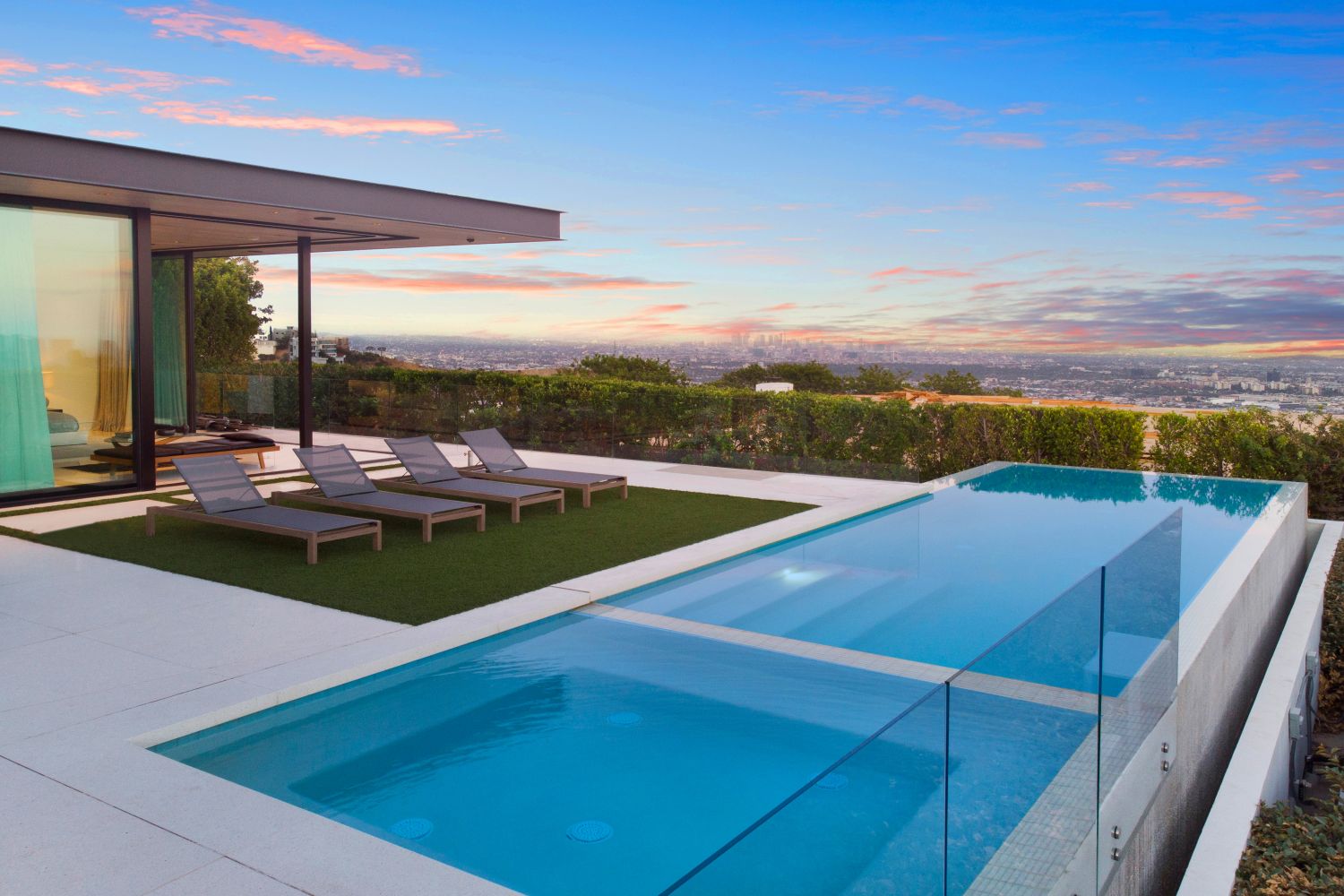
Modern 398
Hollywood Hills
A View-Driven Hollywood Hills Event Venue
-
Zen Garden
Malibu
A Malibu Event Venue Framed by Ocean Views and Garden Paths

-
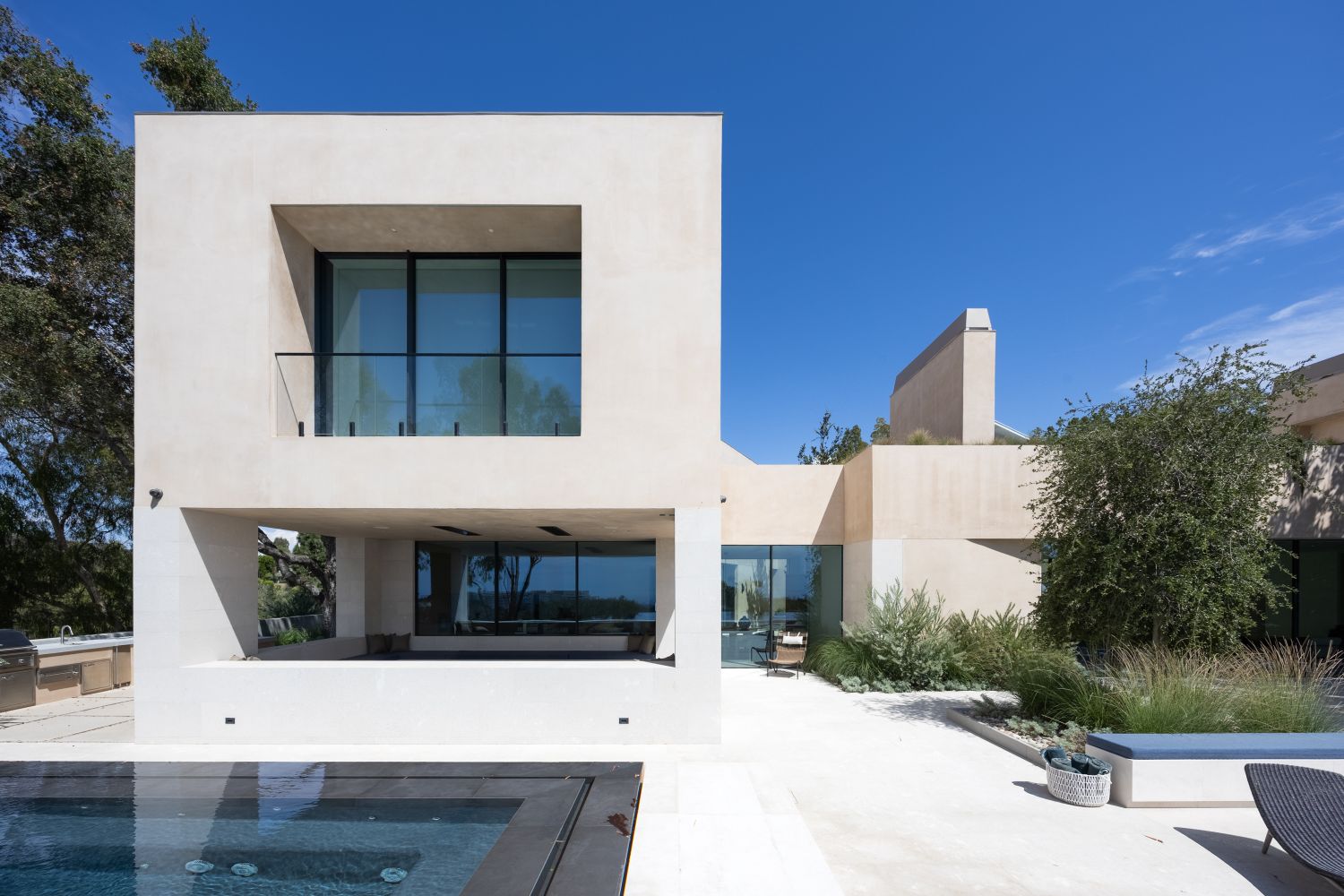
Modern 511
Bel Air
A Glass-Lined Bel Air Event Venue
-
Walt Disney Estate
Holmby Hills
Walt Disney Estate, a Holmby Hills Event Venue with Garden Grandeur

-
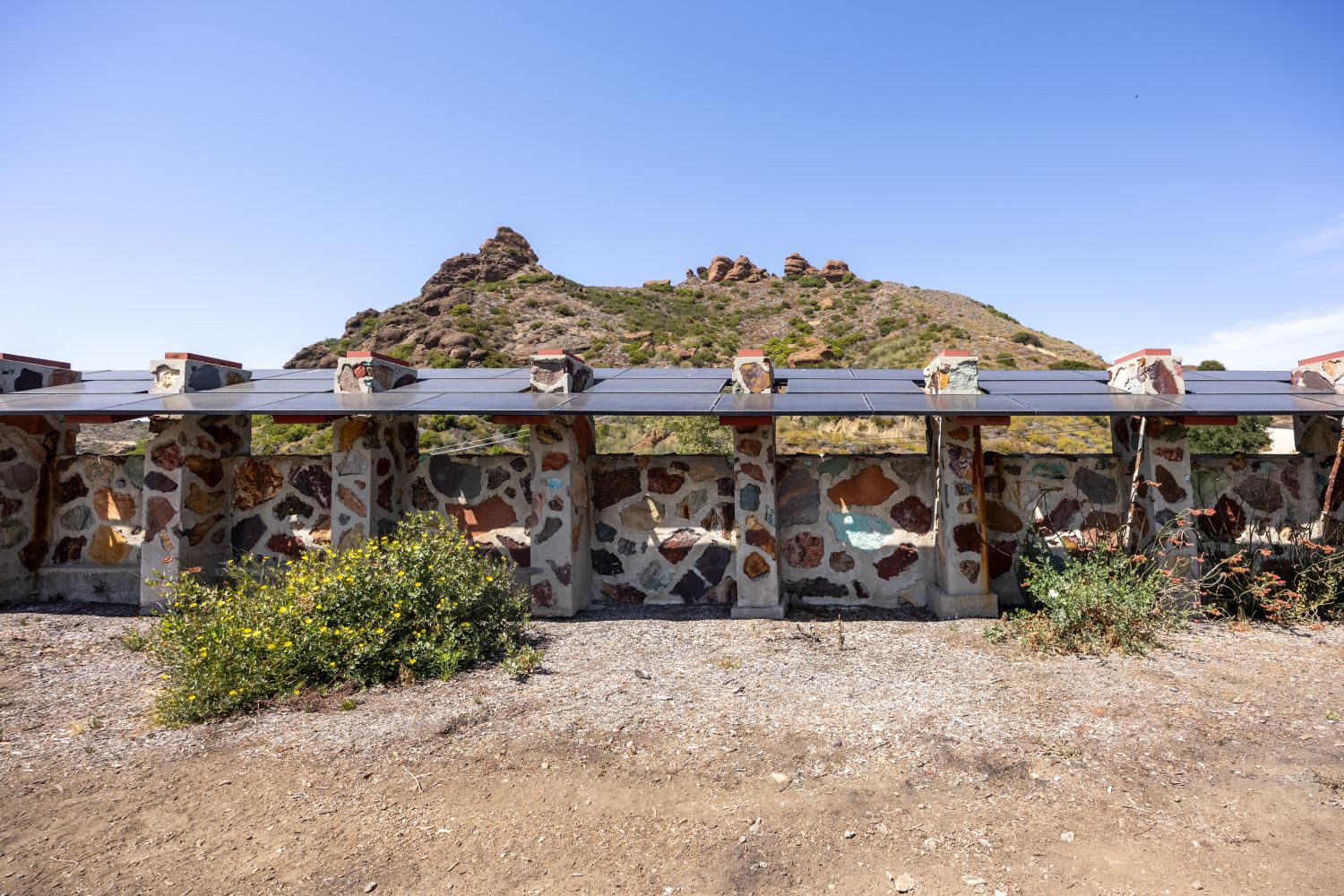
Eagle Feather
Malibu
A Malibu Mountain Event Venue
-
Sunset Studio
West Hollywood
A Striking West Hollywood Event Venue

-
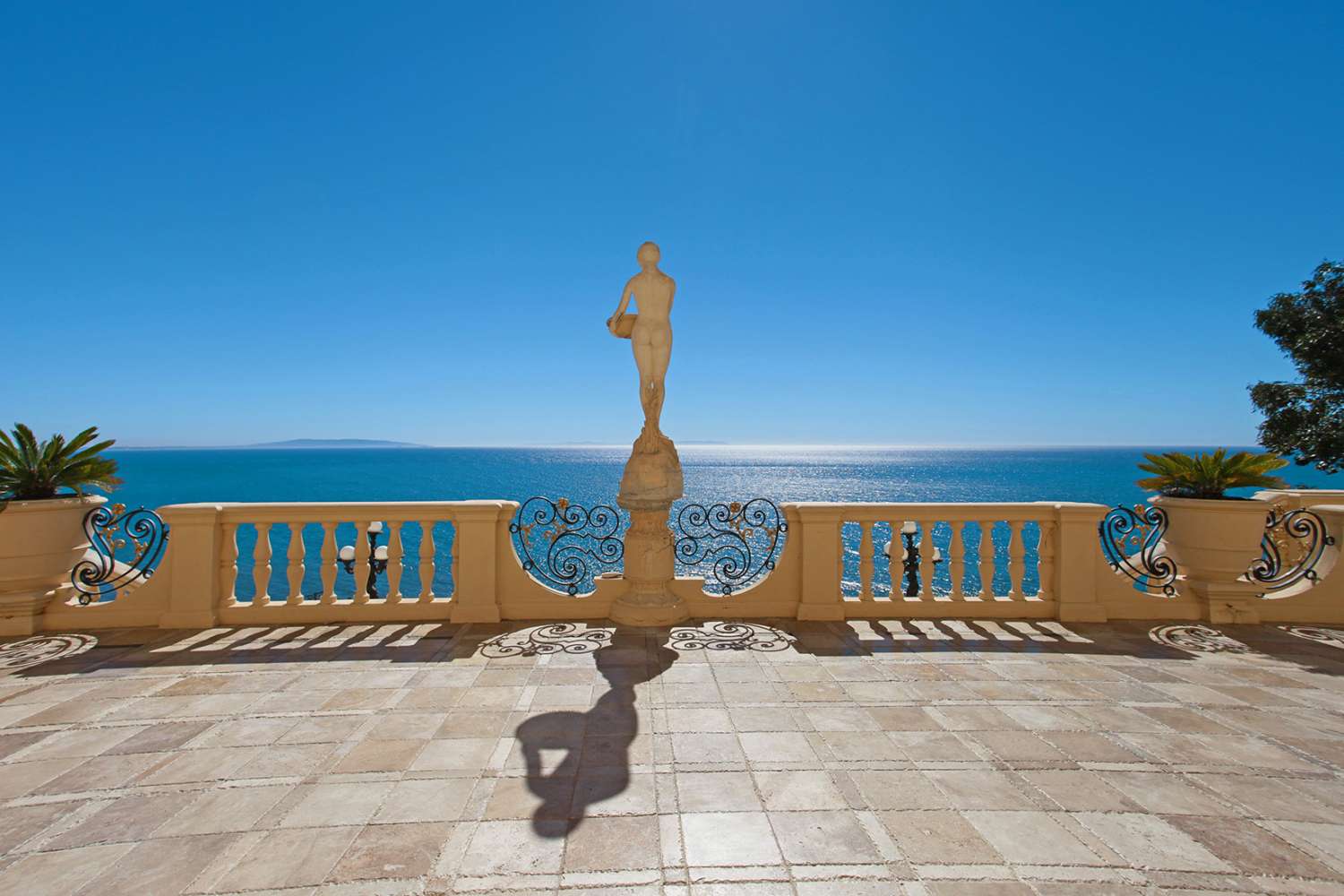
Palisades Villa
Pacific Palisades
Ocean-Facing Event Venue in Pacific Palisades
-
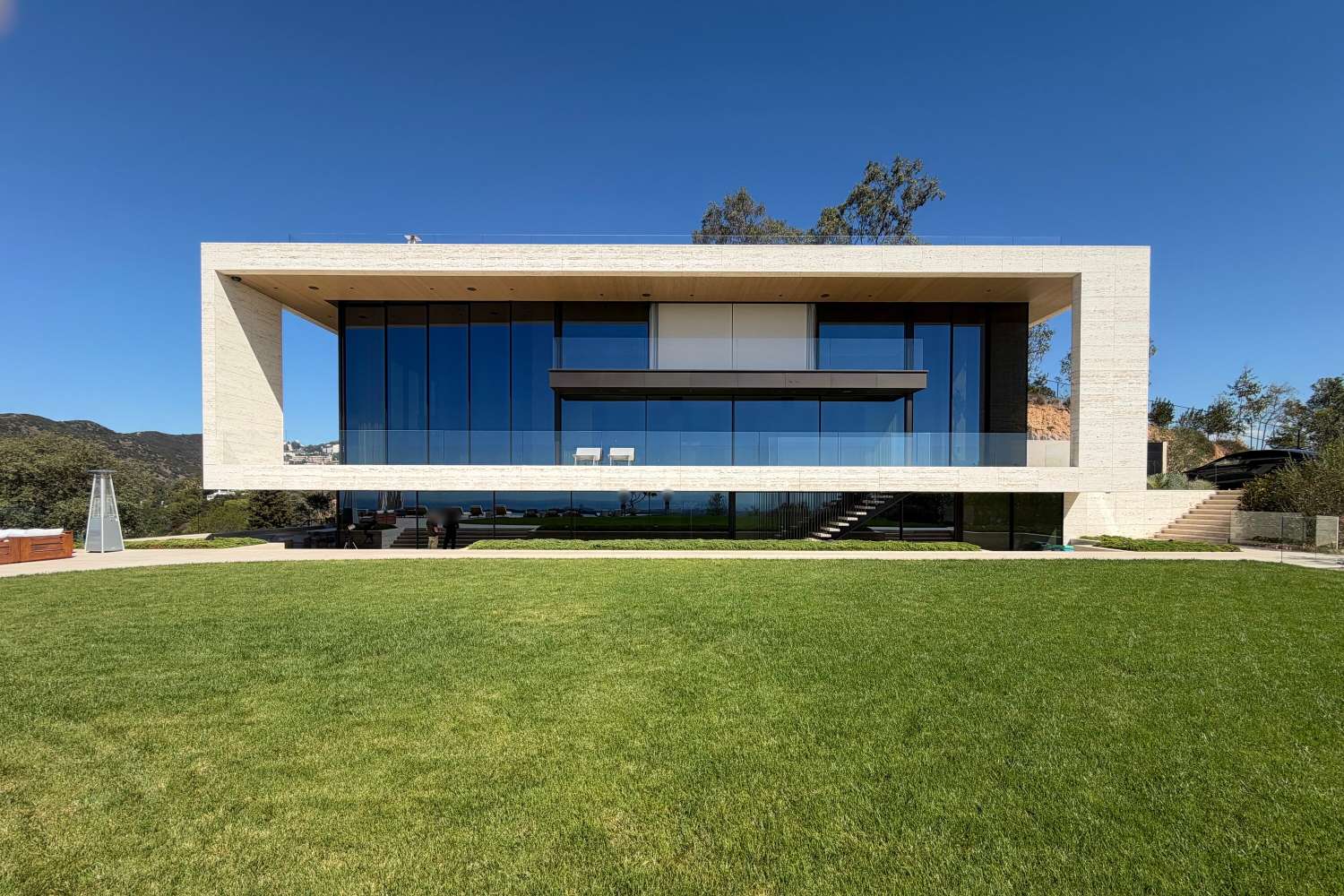
CK Mansion
Brentwood
A Brentwood Event Venue Framed by Views
-
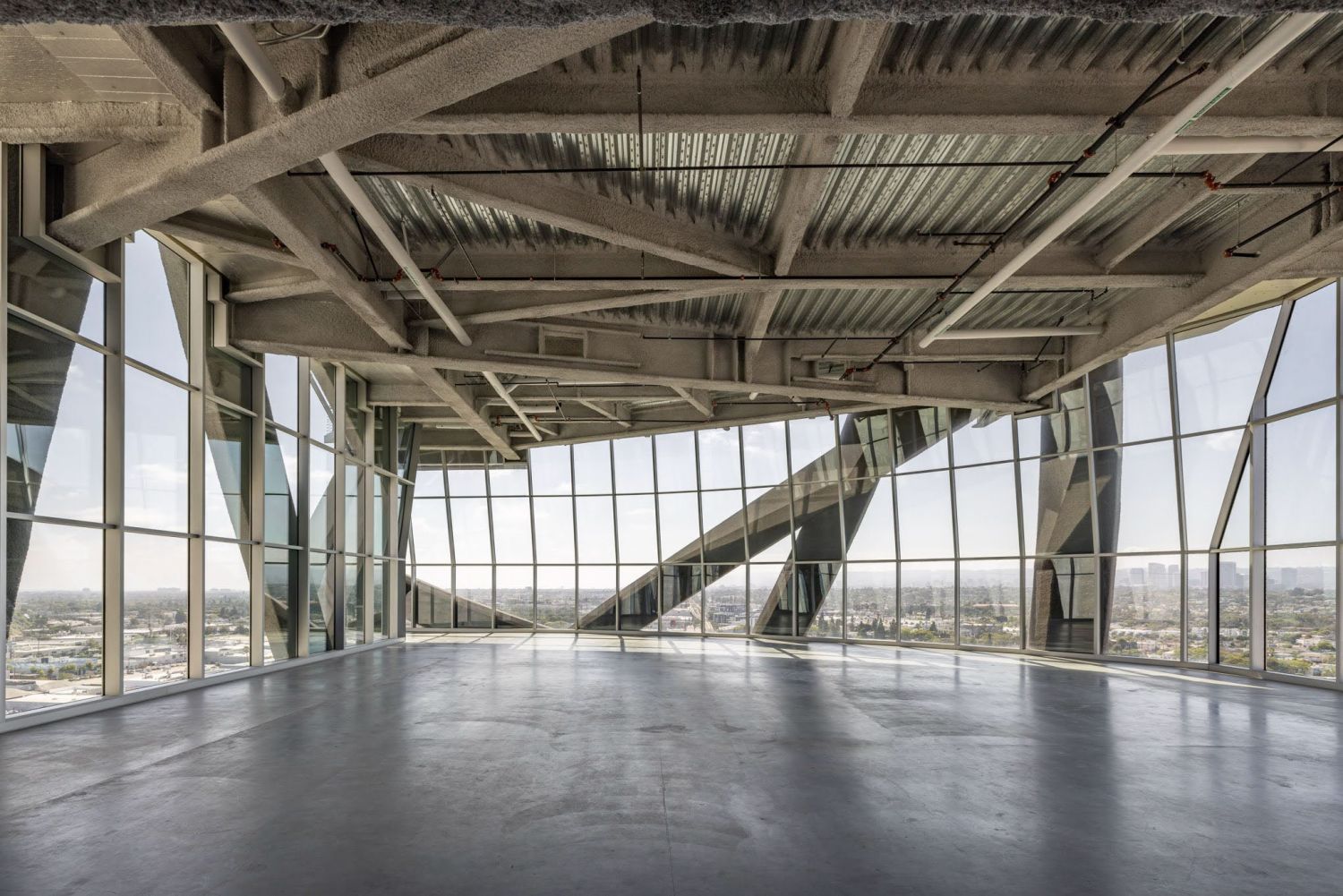
The Wrapper Building
Culver City
Brutalist Event Venue in Culver City
-
The Pink Beach House
Santa Monica
A Santa Monica event venue on the sand with a pink Spanish Revival exterior, pool, lawn, garden paths, arbor…
-
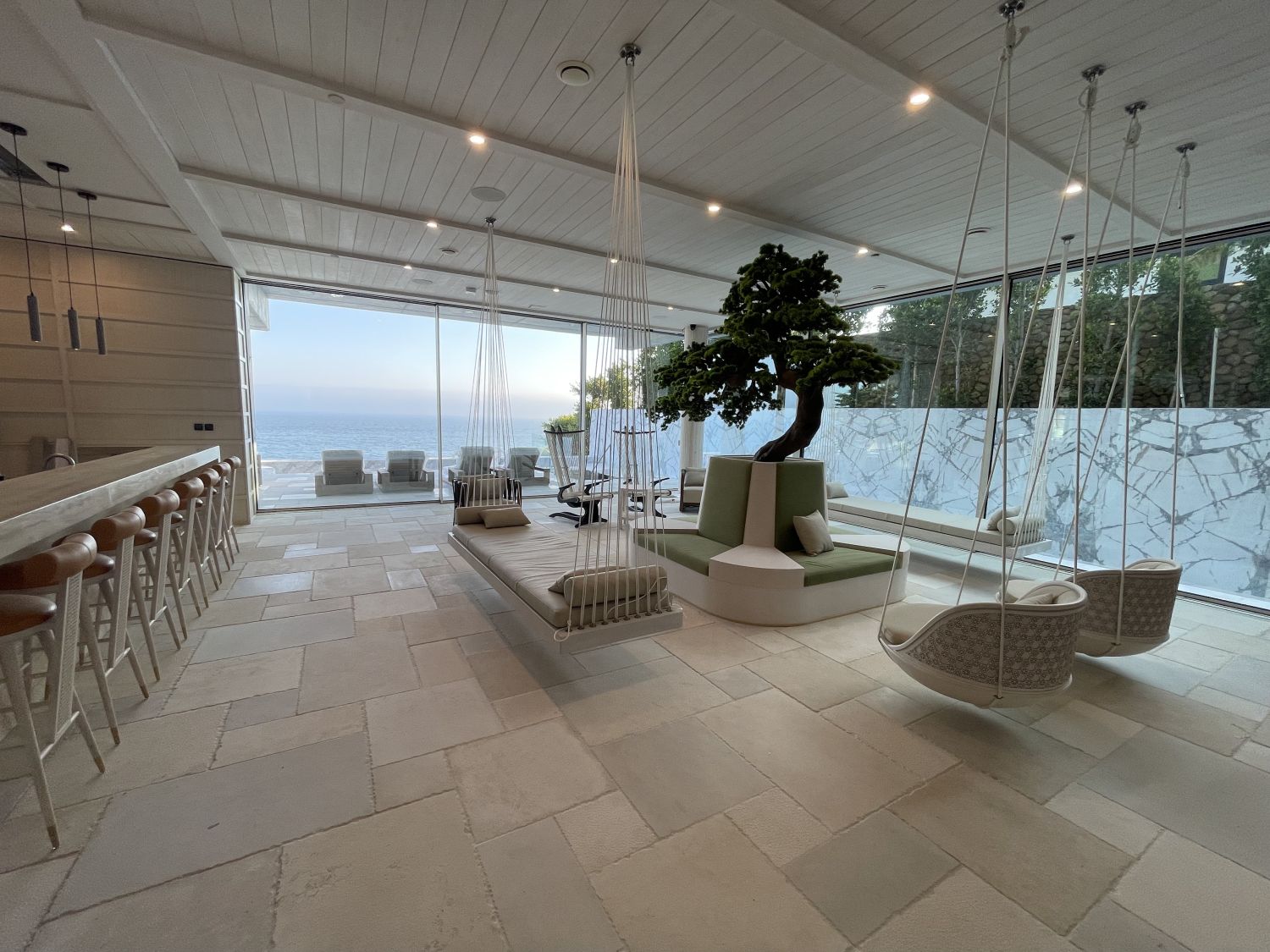
Modern 509
Malibu
A Pacific-View Malibu Event Venue
-
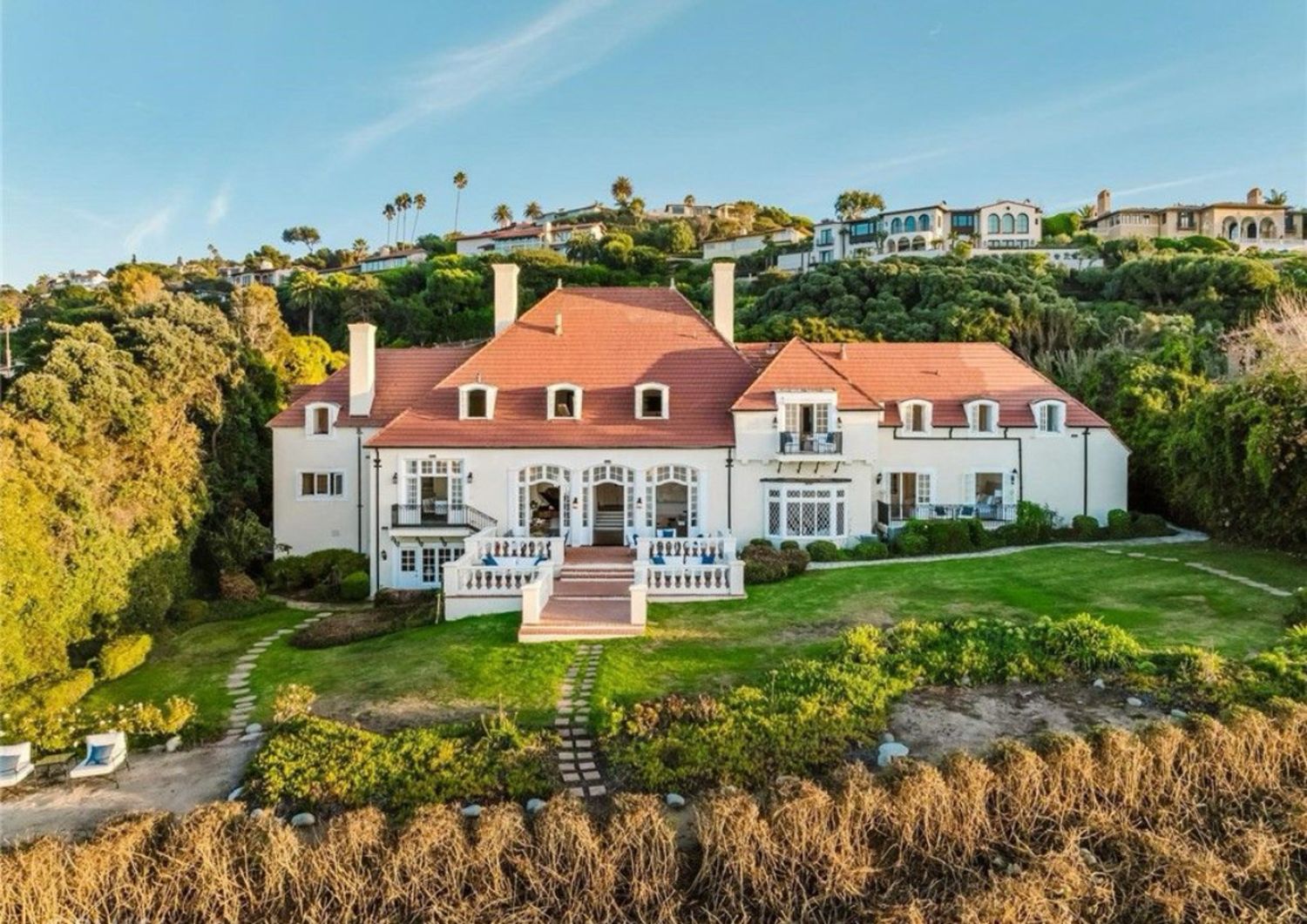
Vista Chateau
Palos Verdes Estates
Pacific-View Event Venue in Palos Verdes Estates
-
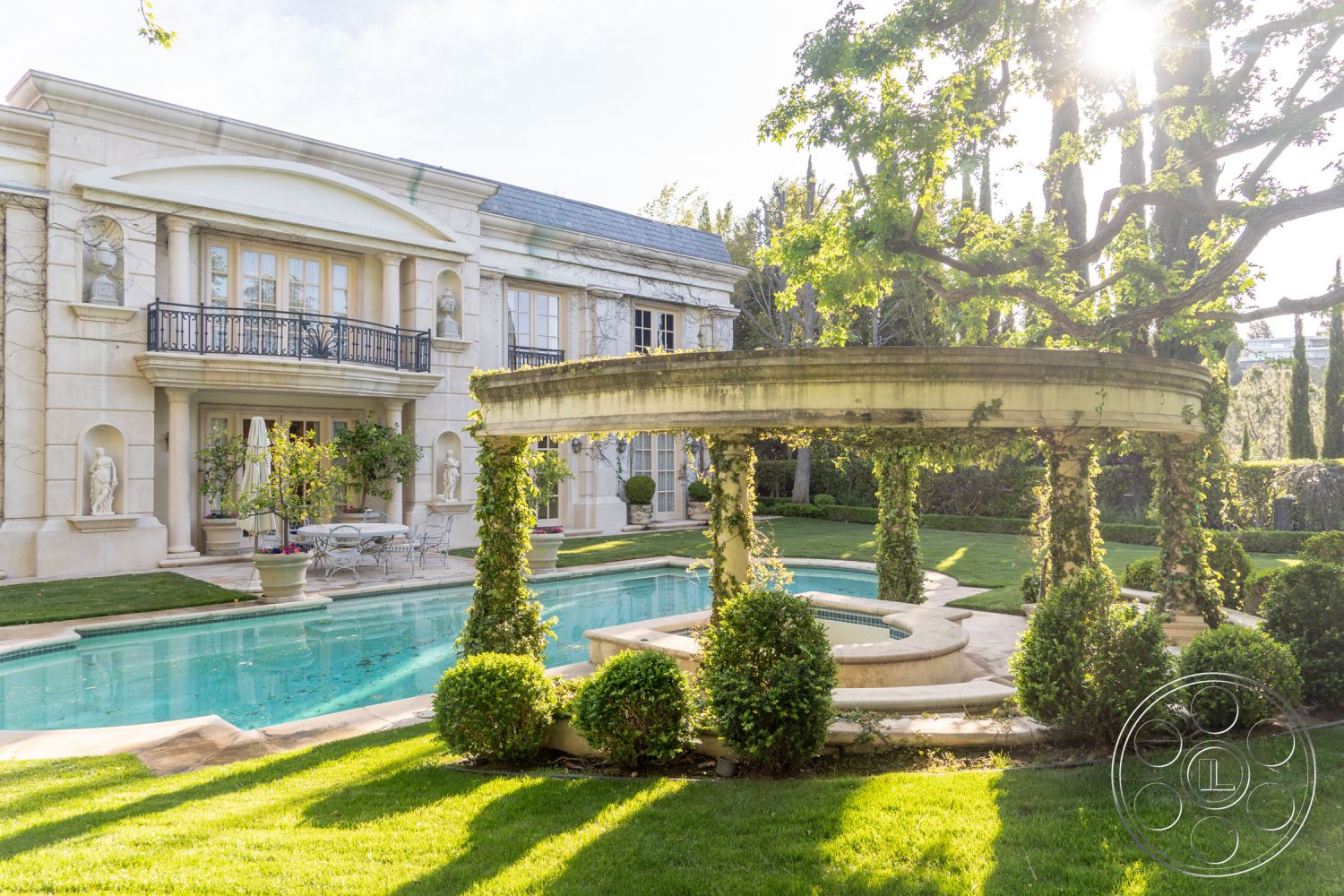
Mansion 120
Beverly Hills
Mansion 120 is a Beverly Hills event venue with a marble foyer, formal salon, dining room, cream kitchen…
-
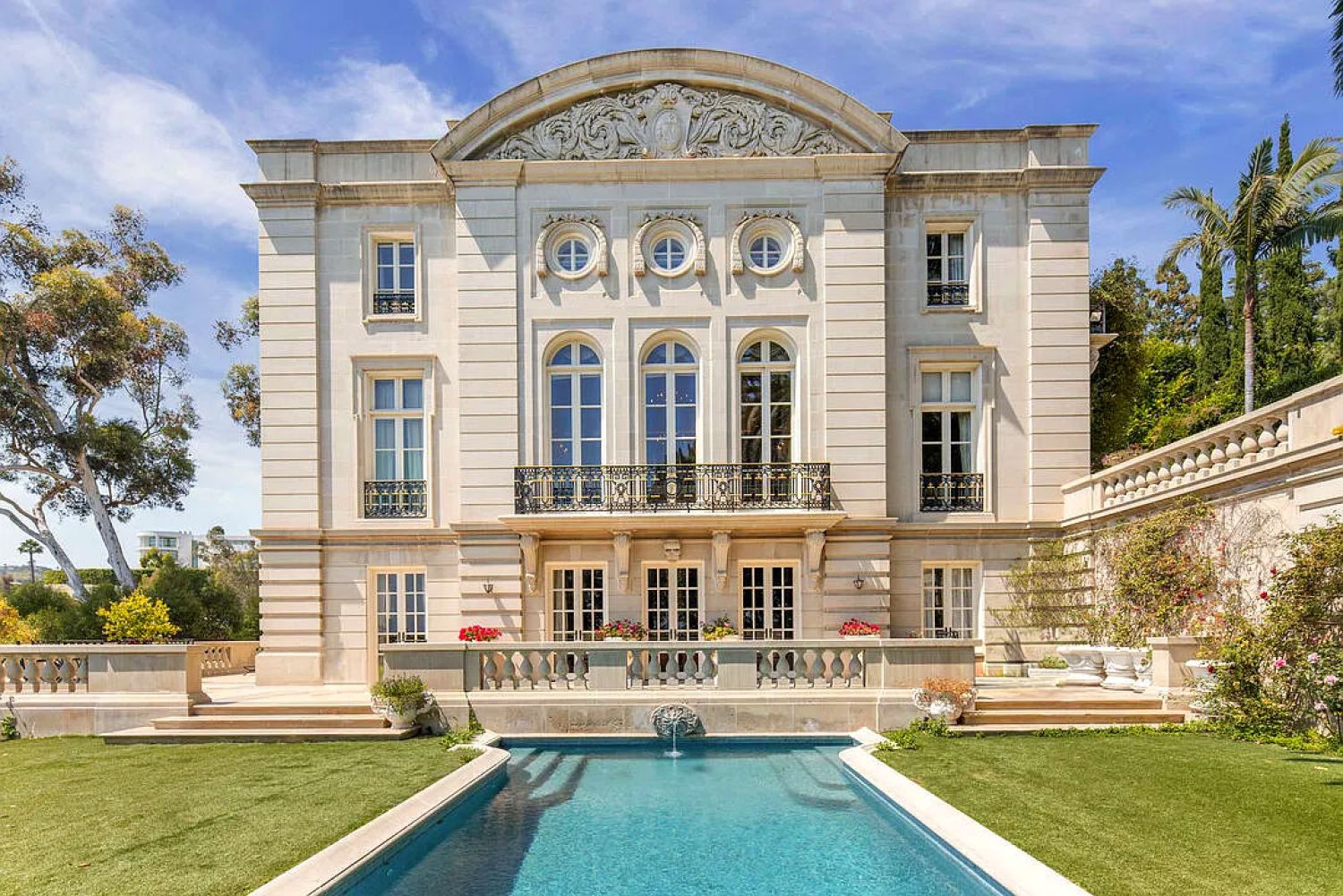
Mansion 139
Bel Air
A Grand Bel Air Event Venue
-
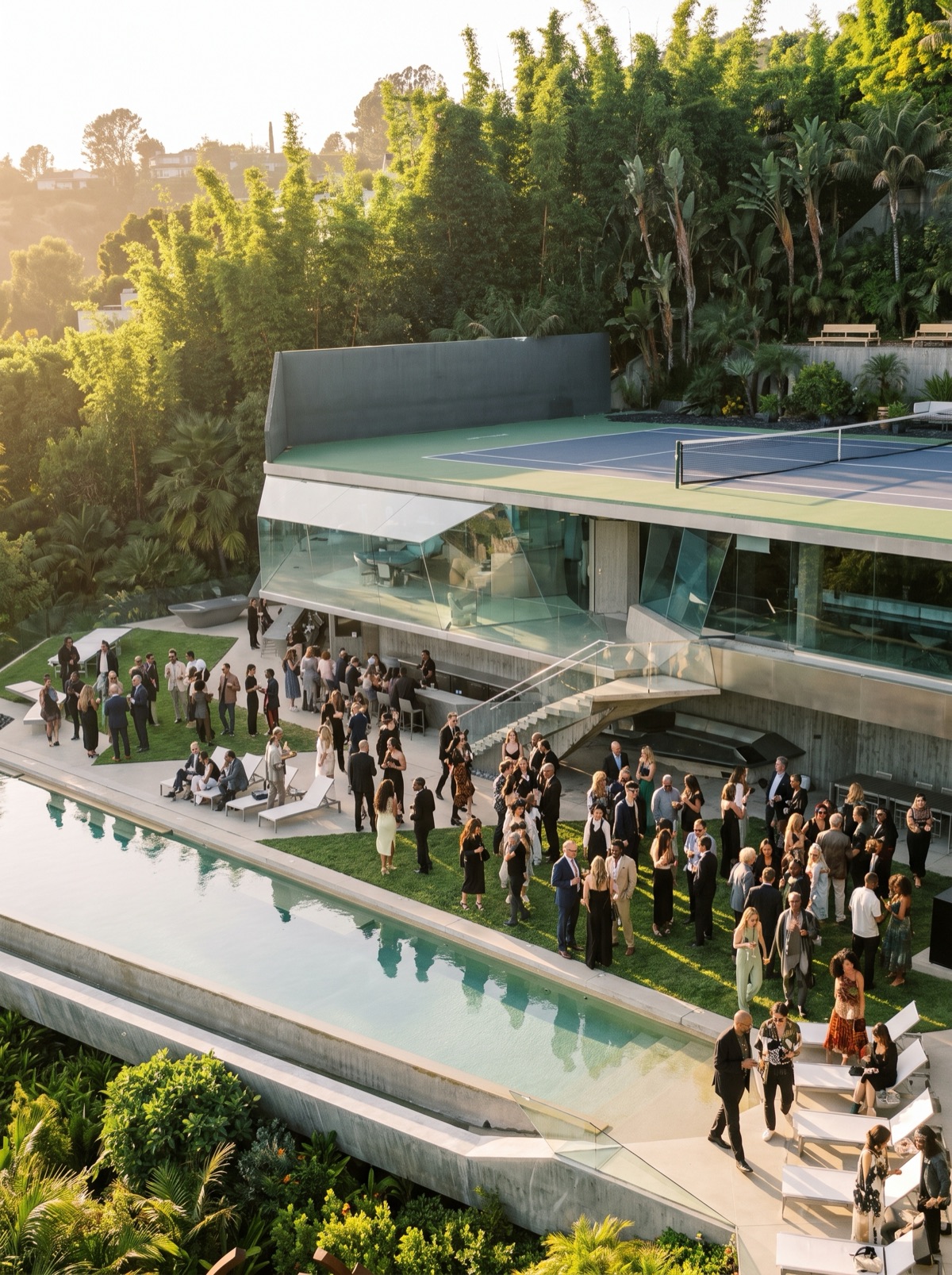
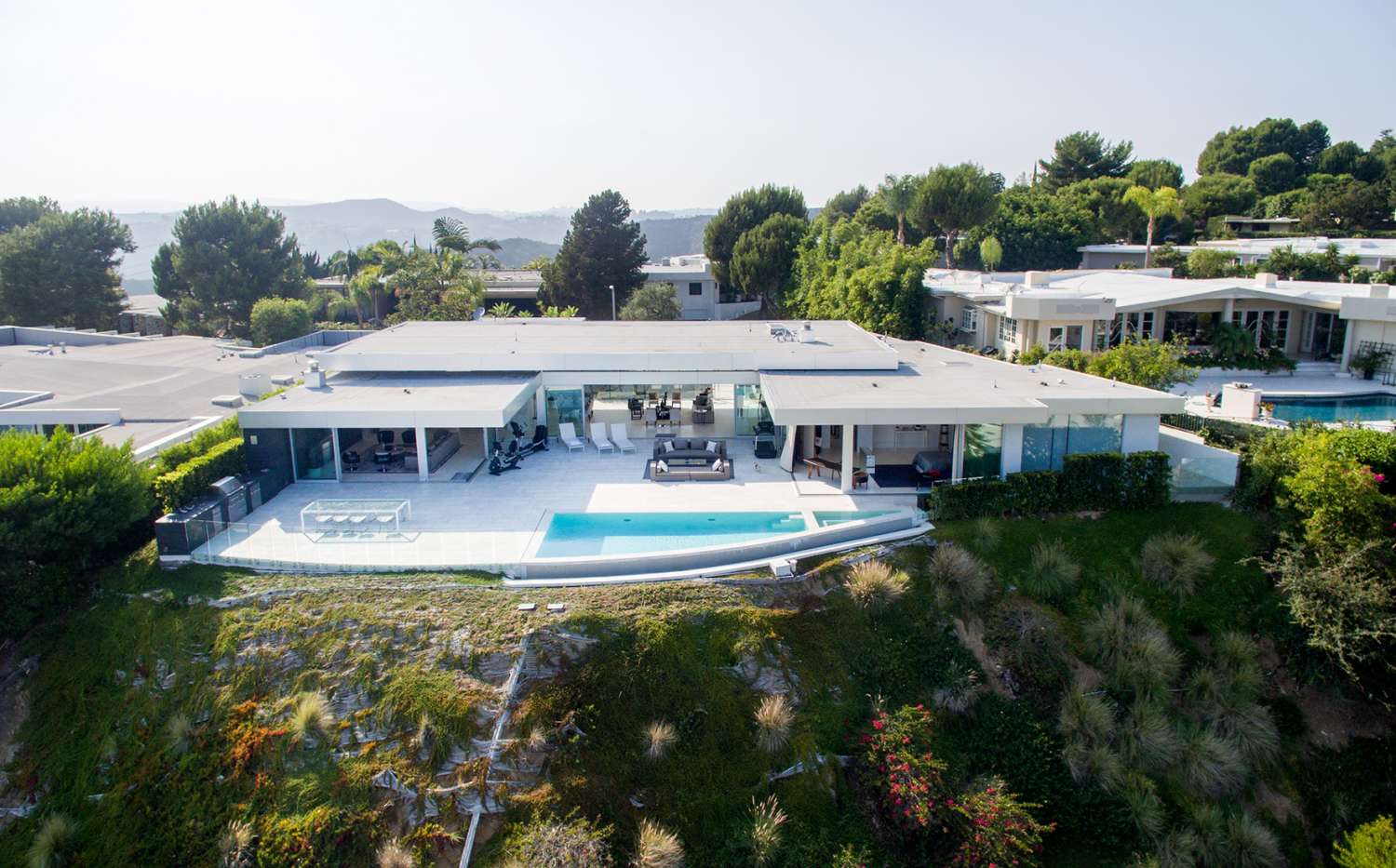
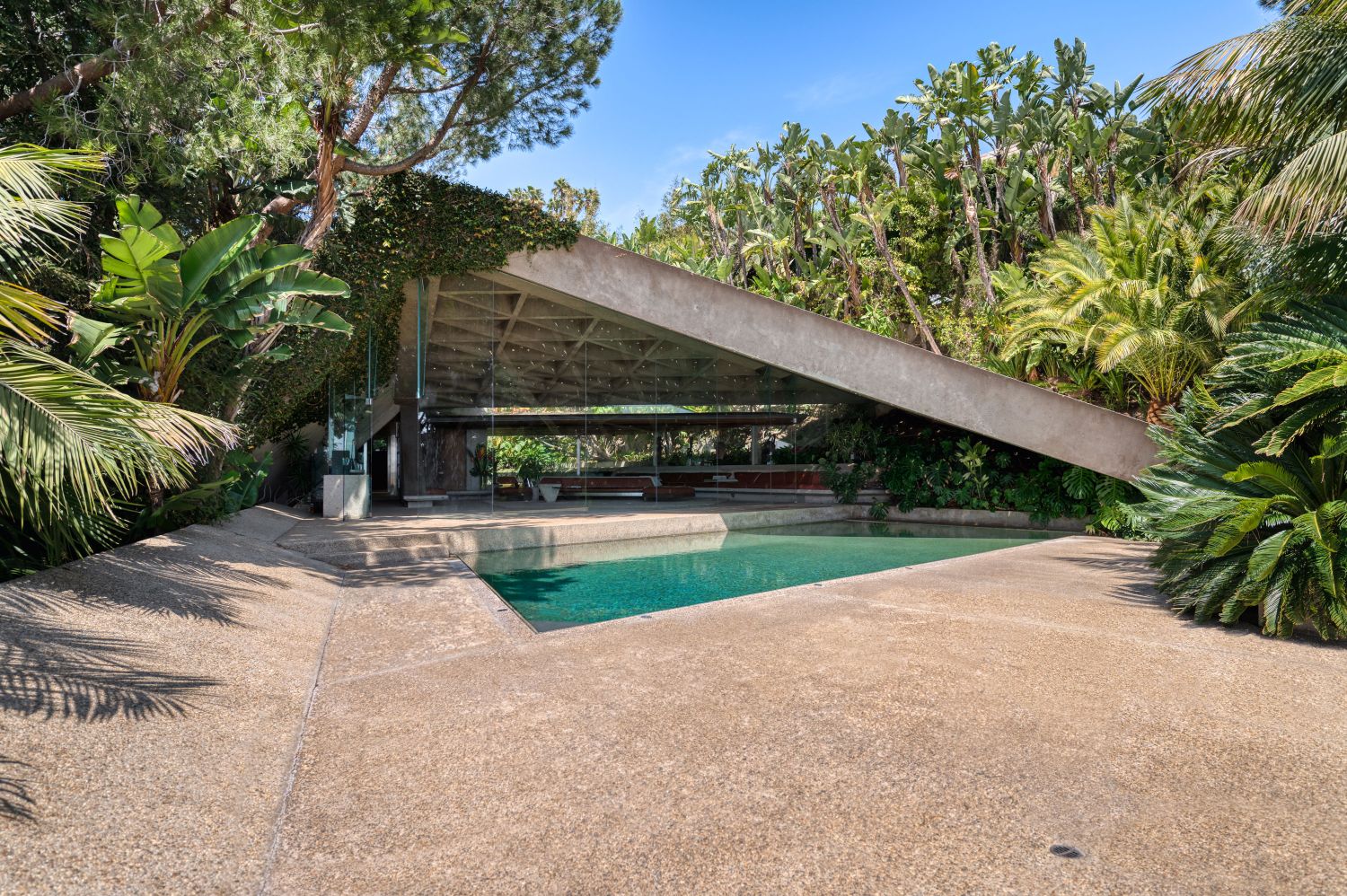
Modern 6
Beverly Hills
A Glass-and-Water Event Venue in Beverly Hills
Hosting an event at a private Los Angeles venue: how booking works
Last reviewed August 2026
How booking a private venue actually works
Image Locations has represented film and photography properties in Los Angeles for more than fifteen years, and a share of those owners also open their homes, rooftops and warehouses to events. Image Events is that side of the library. Booking one of these event venues in Los Angeles is not a marketplace transaction; each one is represented by an agent who has walked it and knows the owner, and in most cases has seen what the space does under a crew and a crowd.
The process starts with an inquiry: the date, the guest count, the kind of event, and anything unusual about it. Your agent answers with a shortlist of venues that fit, their availability checked with the owners: not every venue in the library, but the ones that make sense for a seated dinner for sixty or a standing launch for three hundred. From there it is a site visit, a quote from the owner, an agreement, and a deposit that holds the date.
What you get from working through an agent rather than a listing is the part that does not show in photographs: the owner's rules, the neighbors' tolerance, the load-in path, the parking reality, and an honest guest number for your format. Those are the things that make or break an event at a private property, and they are what this page is for.
What kinds of venues are in the library
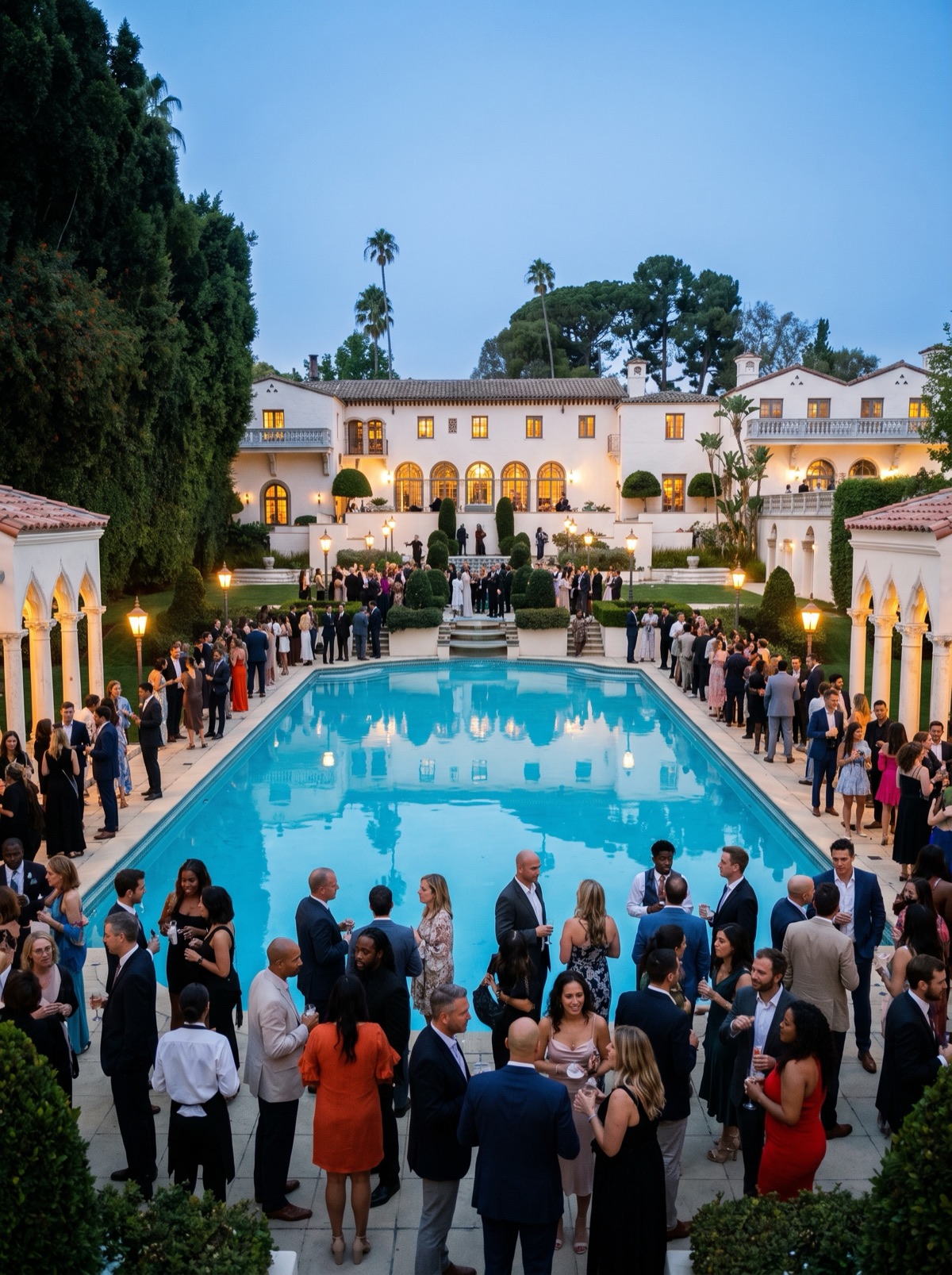
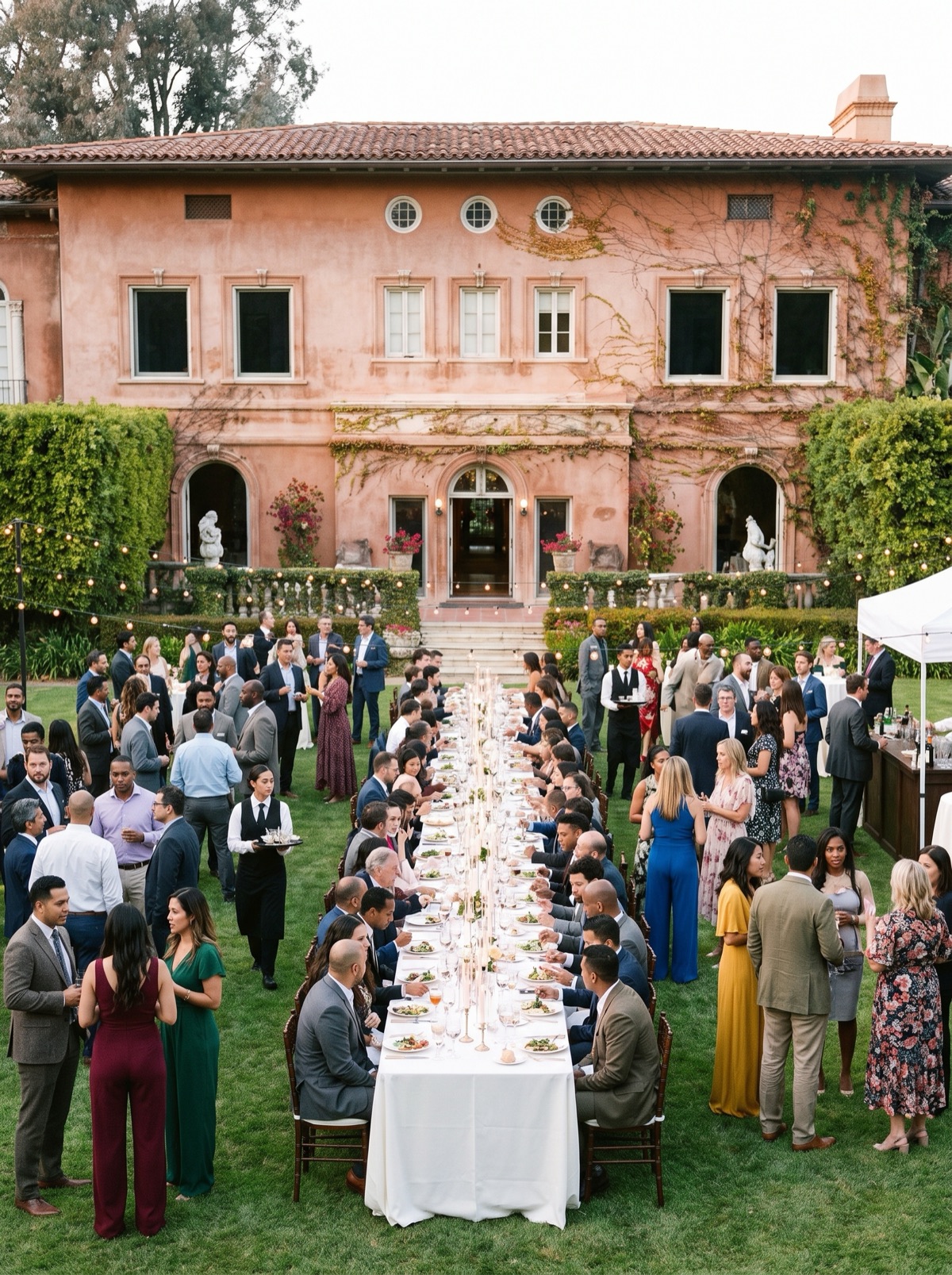
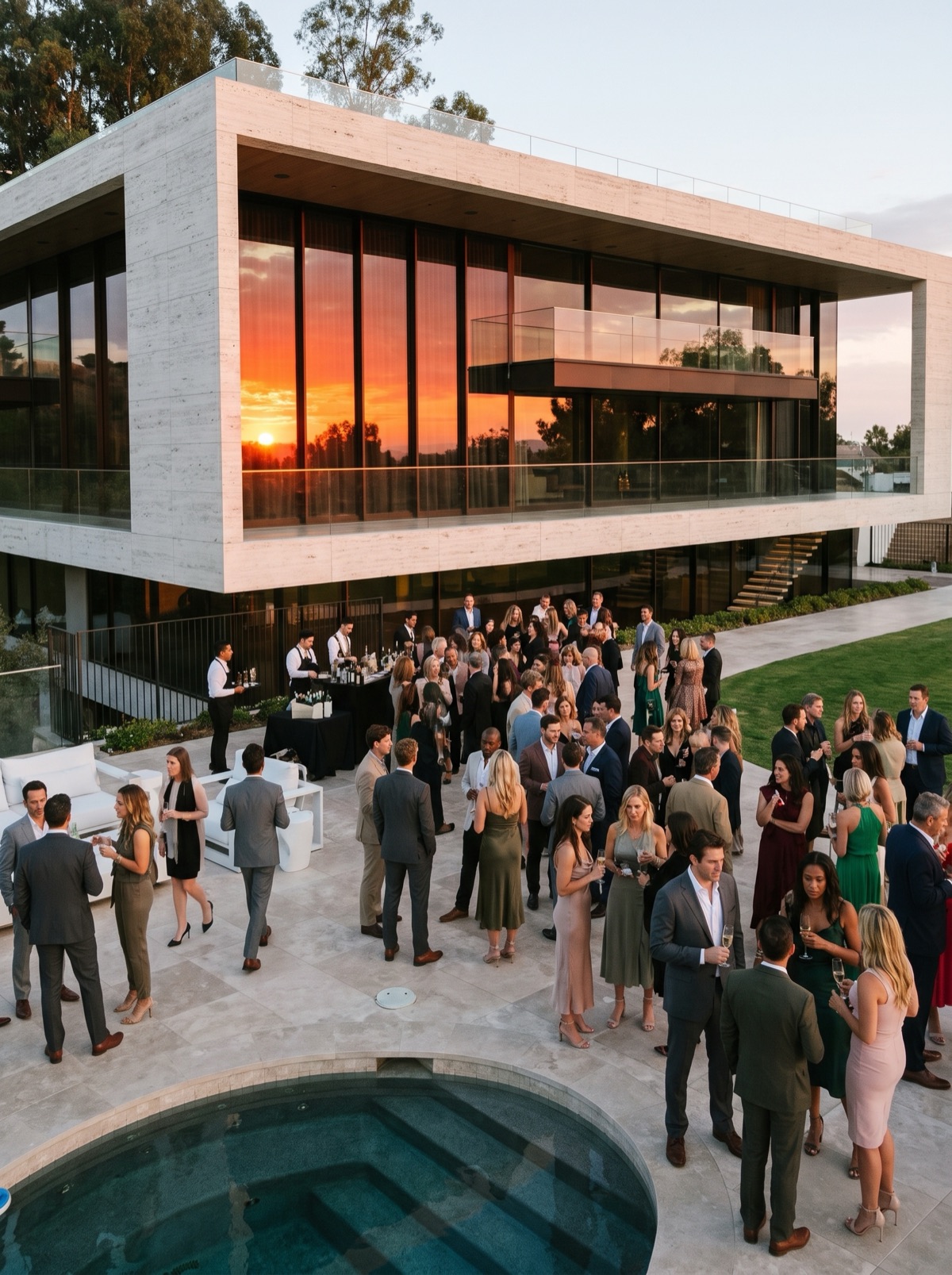
Estates are the most requested event venues: Beverly Hills, Bel Air, Holmby Hills and the Hollywood Hills, with grounds that take a reception and interiors that take a dinner. They suit product launches, fashion presentations, intimate brand dinners and private celebrations where the house itself is the statement.
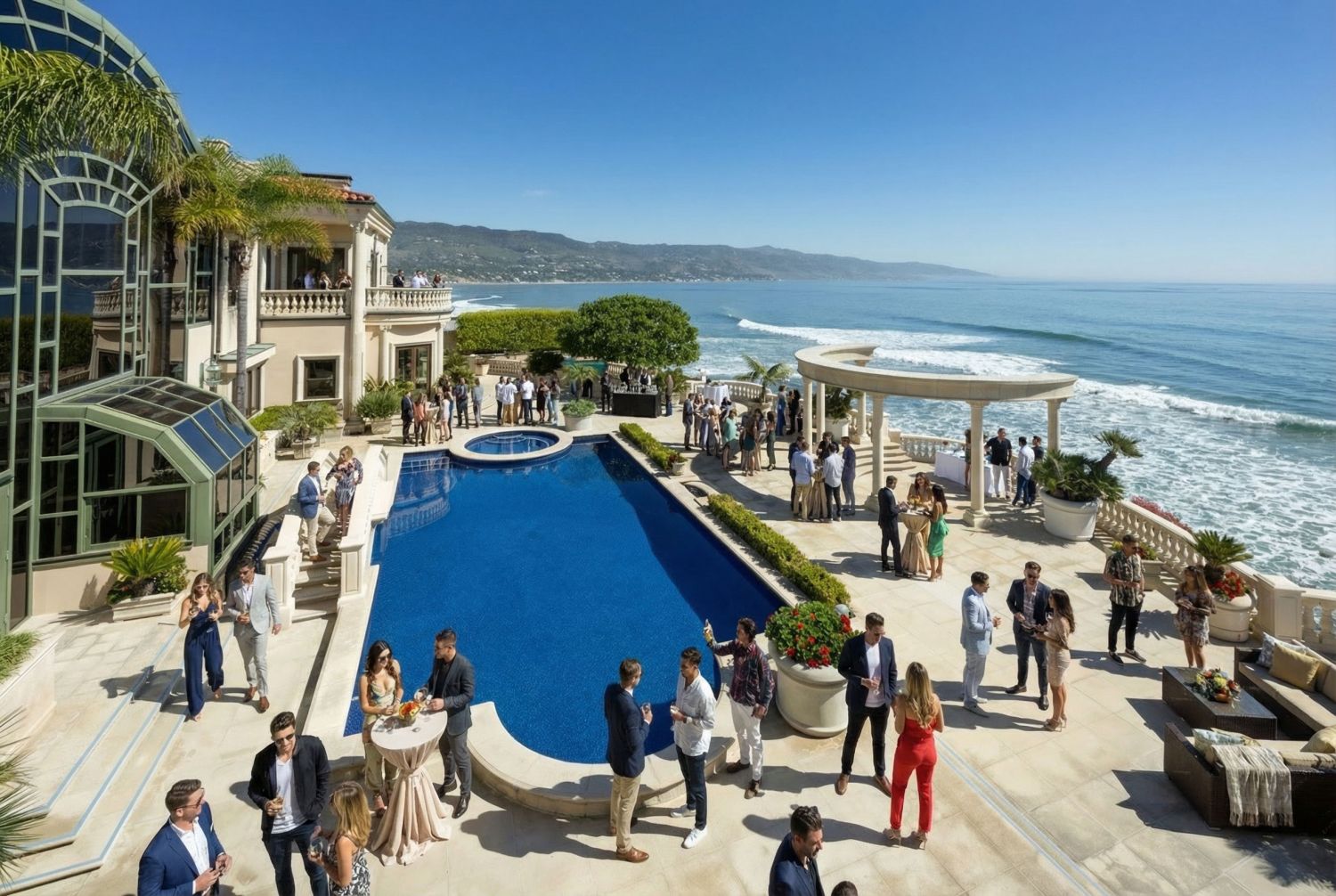
Malibu and the Pacific Palisades add the coast: beach houses and bluff-top properties where the ocean is the backdrop and the event runs from afternoon into sunset. Hours are the thing to ask about early here; coastal residential streets are strict about sound and end times.
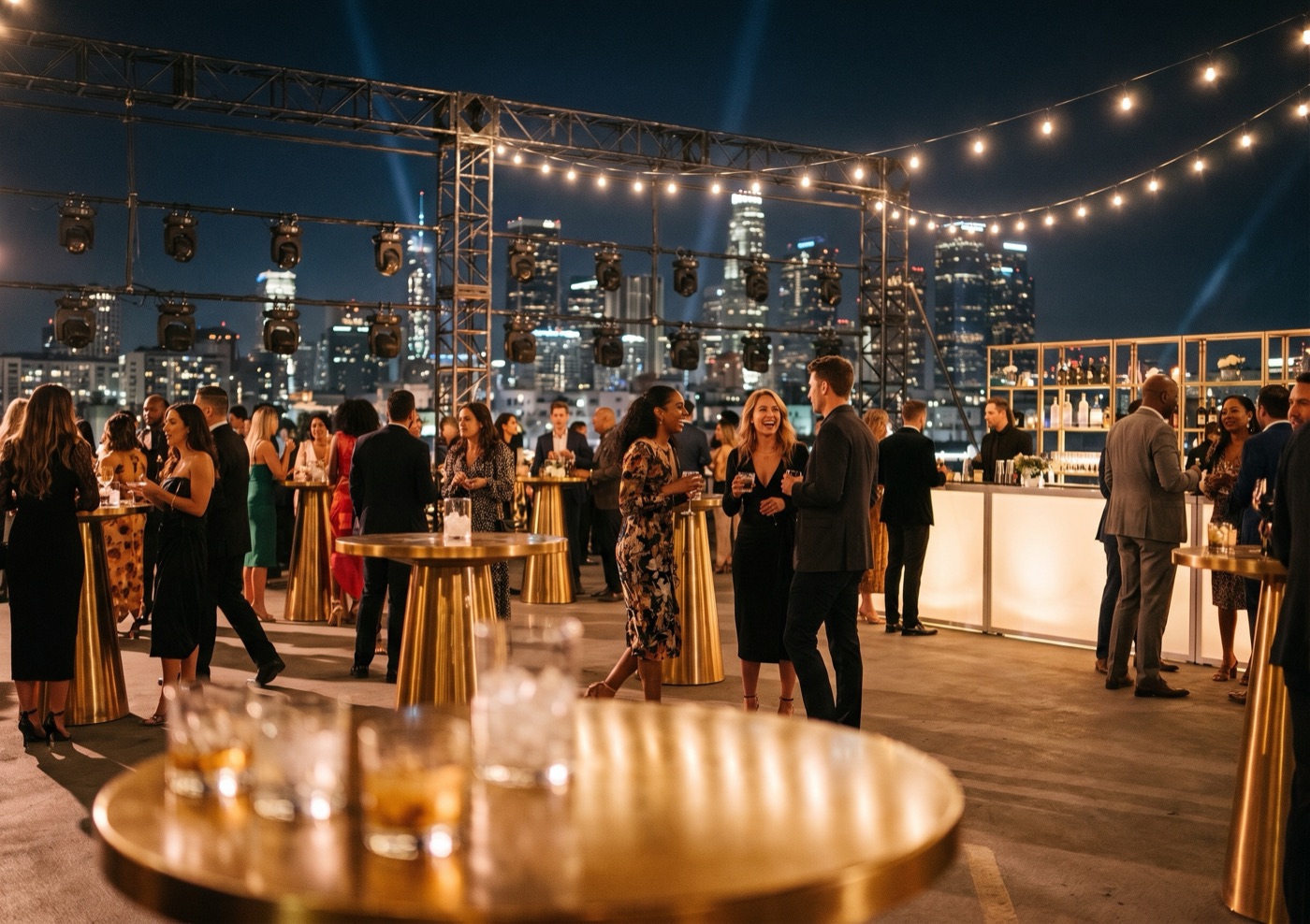
Downtown Los Angeles brings the other register of event space: rooftops with the skyline, warehouses and lofts with high ceilings, open floors and real load-in doors. These are the venues for larger activations, runway shows, and anything that needs trussing, a stage or a production build, because they were designed for it.
Across all of them runs a simple rule: the venue is the space. Lighting, sound, catering, furniture and staffing come with your team, and the owner's rules come with the house.
Corporate events, fashion and brand activations, private celebrations
Corporate events are the steadiest use of the library: leadership dinners, client hospitality, offsites and product launches that want a private address instead of a hotel ballroom. An estate with a dining room for thirty and a terrace for the reception, or a Downtown rooftop for a launch with the skyline behind the stage, are the usual asks.
Fashion and brand activations use the properties as a set and a venue at once: a presentation in a modernist house, a pop-up in a loft, a runway in a warehouse rigged for it. These events bring a production crew with them, and the venues that suit them are the ones with load-in doors, power and a floor plan that takes a build.
Private celebrations (milestone birthdays, anniversaries, engagement and wedding receptions) are where the residential rules matter most. The right venue is the one whose hours, sound limits and neighbors fit the evening you are planning, and we say so before the site visit rather than after.
Capacity and layouts, honestly
Capacity at a private property is never one number. A living room that seats forty for dinner might hold a hundred standing, and the grounds might take three times that with a tent. The number that matters is the one for your format, and it depends on what else has to fit: a stage, a bar, a runway, a dance floor, a kitchen tent, restrooms if the house cannot absorb the guest count.
We quote capacity per format and per venue, checked with the owner rather than estimated from the room. If you are choosing between a seated and a standing plan, say so at the inquiry stage, because the shortlist changes. Bring your planner to the site visit: the layout that works on a floor plan is not always the one that works when the caterer needs a path from the kitchen to the lawn.
One more honest note. The most photogenic rooms are often the smallest. A venue chosen for a single image of the crowd in the great room may need the rest of the evening planned around the terrace, and that is a conversation best had before the agreement, not the week of.
What the venue includes, and what you bring
Unlike a hotel ballroom, a private property comes as a space and its fixtures. Furniture may or may not be usable; kitchens are residential unless the listing says otherwise; power is what the house has, and a production build brings its own. Assume you bring the team (caterer, rentals, lighting, sound, staff, security, valet) and confirm the exceptions venue by venue.
Most owners allow outside vendors. The conditions tend to be the same everywhere: vendors carry their own insurance, nothing is rigged to the structure without approval, open flame and fireworks are off the table unless specifically cleared, and vehicles stay off anything that is not pavement. Some owners keep a list of vendors who have worked the house before and ask that you use them for specific jobs; valet on a narrow hillside street is the usual one.
Your agent gives you the rules for the venue before you commit, and the site visit is where your vendors ask their questions. Load-in hours, where the kitchen tent goes, which door the rentals come through, where the generator sits so the neighbors do not hear it: settle these on the walk-through and the event day goes the way it was planned.
Neighbors, hours and noise
Most of the venues on this page are in residential neighborhoods, and cities across Los Angeles County each set their own rules on amplified sound, end times and street parking. Hillside and canyon streets are the strictest; Downtown rooftops and warehouses in commercial districts are the most forgiving. The difference between a venue that works for a dinner with a string quartet and one that works for a DJ until midnight is real, and it is a matter of address.
We tell you the limits for each venue we propose: when amplified sound has to stop, when guests have to be gone, and whether the owner notifies the neighbors or asks you to. Plan the run of show against those limits rather than hoping. A venue that has hosted events for years has a relationship with its street, and an event that respects it is the reason the next one is welcome.
Permits: who covers the address
Los Angeles is a patchwork of jurisdictions. The City of Los Angeles, independent cities like Beverly Hills, Santa Monica, West Hollywood, Pasadena and Malibu, and unincorporated county each run their own rules on special events at private properties: whether a permit applies at all, what guest count or tenting or street impact triggers one, and how far ahead it must be filed.
Tell us the venue and the format and we tell you which office covers the address and whether a special-event permit is likely to apply. The host or the planner obtains the permit; where it helps, we refer you to a permit service we have worked with. What we do not do is leave you to discover the requirement the week of the event; an independent-city filing found late is how dates slip.
Insurance, deposits and the agreement
Owners require a certificate of insurance for the event, naming the property and the owner, and some set minimum liability amounts. Your planner or caterer can usually issue one, and event-insurance providers write single-day policies quickly. We tell you the requirement for the venue so the certificate is right the first time.
The agreement spells out the fee, the hours, the deposit and balance schedule, the cancellation terms, and the house rules. A deposit holds the date; the balance is due before the event. Some owners also hold a refundable damage deposit. Read the rules section, where the open-flame, rigging and sound terms live, and ask your agent about anything that does not fit your plan before you sign rather than after.
From inquiry to event day
A realistic timeline for a private-venue event runs like this. Inquiry, with your date, guest count and format; a shortlist back from your agent with availability; a site visit with your planner and key vendors; a quote from the owner and an agreement; a deposit that holds the date. Then the production plan (layout, vendors, insurance, any permit) built against the venue's rules, and a final walk-through the week of the event.
Weekend and holiday dates at the most requested estates go first, so start early when the date is firm. Weekday corporate events and daytime activations are easier to place on shorter notice. Either way, say at the inquiry stage if the date is tentative; some owners will hold a date briefly while you confirm.
That is what the plan buys you on event day: your agent reachable, the owner holding the schedule, the neighbor notification made by whoever agreed to it. Load-in in the window the agreement names, the event to the limits the venue set, load-out when it said it would finish. The whole method is a property that is known, rules that were agreed, and a team that planned to them.
Start with the date and the guest count
The fastest way to a shortlist is an inquiry with four things: the date or date range, the guest count, the kind of event, and anything unusual (a runway, a stage, a late finish, a large load-in). Your agent answers with venues that fit, their availability checked, and the site visits follow. If you already have a property in mind from the library below, name it; if you want options by area or by look, say that instead, and we will do the shortlisting.
Planning an event in Los Angeles? Tell us the date, the guest count and the kind of event.
Inquire about your eventStraight answers
