
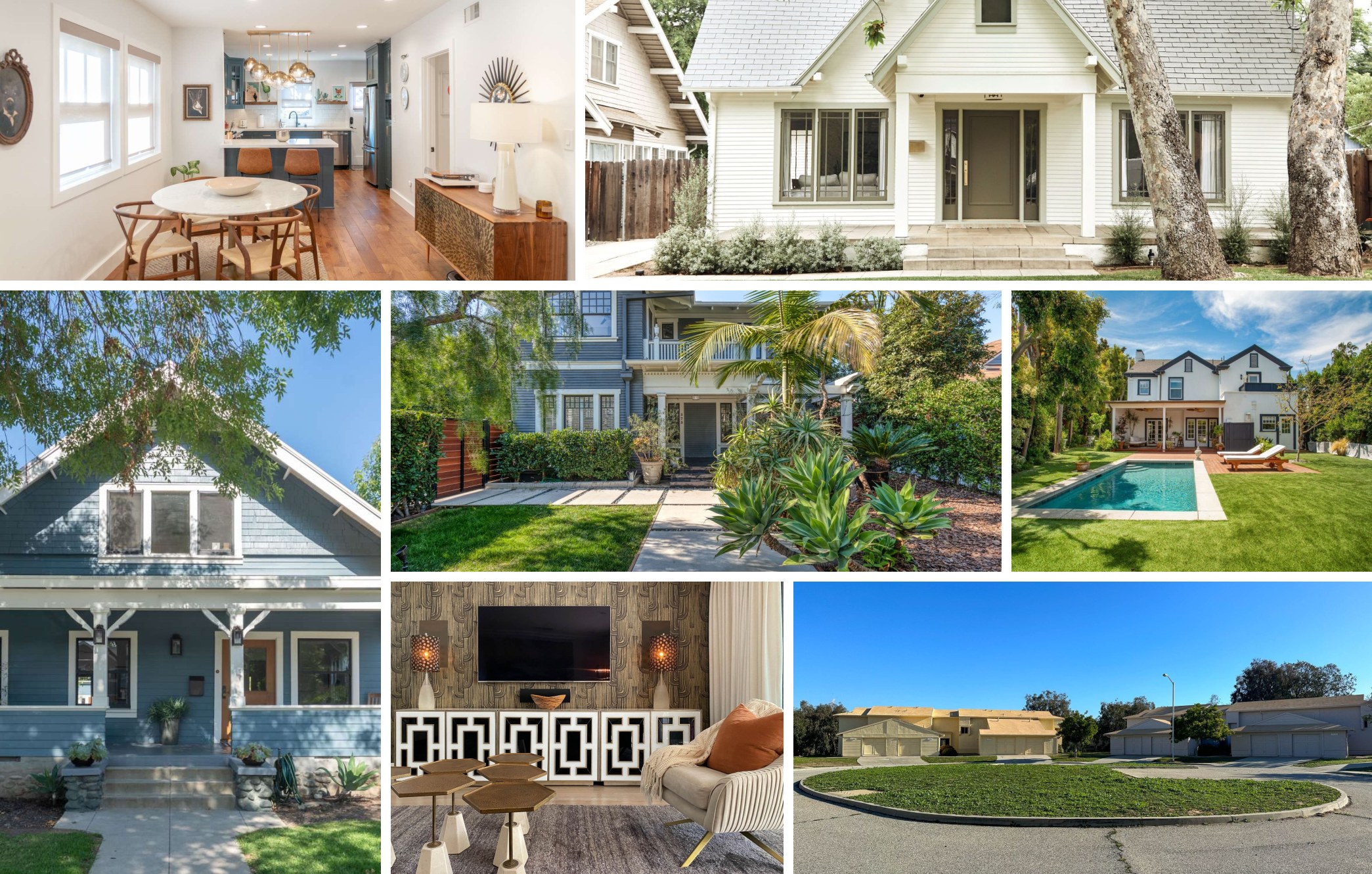
The American neighborhood is one of the most requested looks in production, and Los Angeles has been playing it for the whole country since television began. The trick is knowing which blocks hold up on camera: real tree canopy, houses from a single era, and owners who understand what a shoot day involves. This guide maps where the look actually lives, drawn from the deepest bench of Americana filming locations in the city.
The Family Street: Studio City, Pasadena, and West Adams
Studio City has stood in for the national suburb since the sitcom era began at the lots nearby, and the flat, gridded blocks between Ventura Boulevard and the LA River are still the busiest family streets in television. The most famous of them is public knowledge; the house that played the Brady Bunch exterior sits on Dilling Street in these flats. Homeowners here have hosted crews for decades, and it shows in how smoothly a shoot day runs. Our Studio City filming locations page has that whole inventory, street by street.
Pasadena and South Pasadena are the prosperous, established version, hundred-year-old oaks and lawns that could be anywhere in comfortable America. Americana 349 is typical of that stock. West Adams holds the character end; Americana 353 has the original detail set dressing cannot fake.
What Makes a House Read as Americana
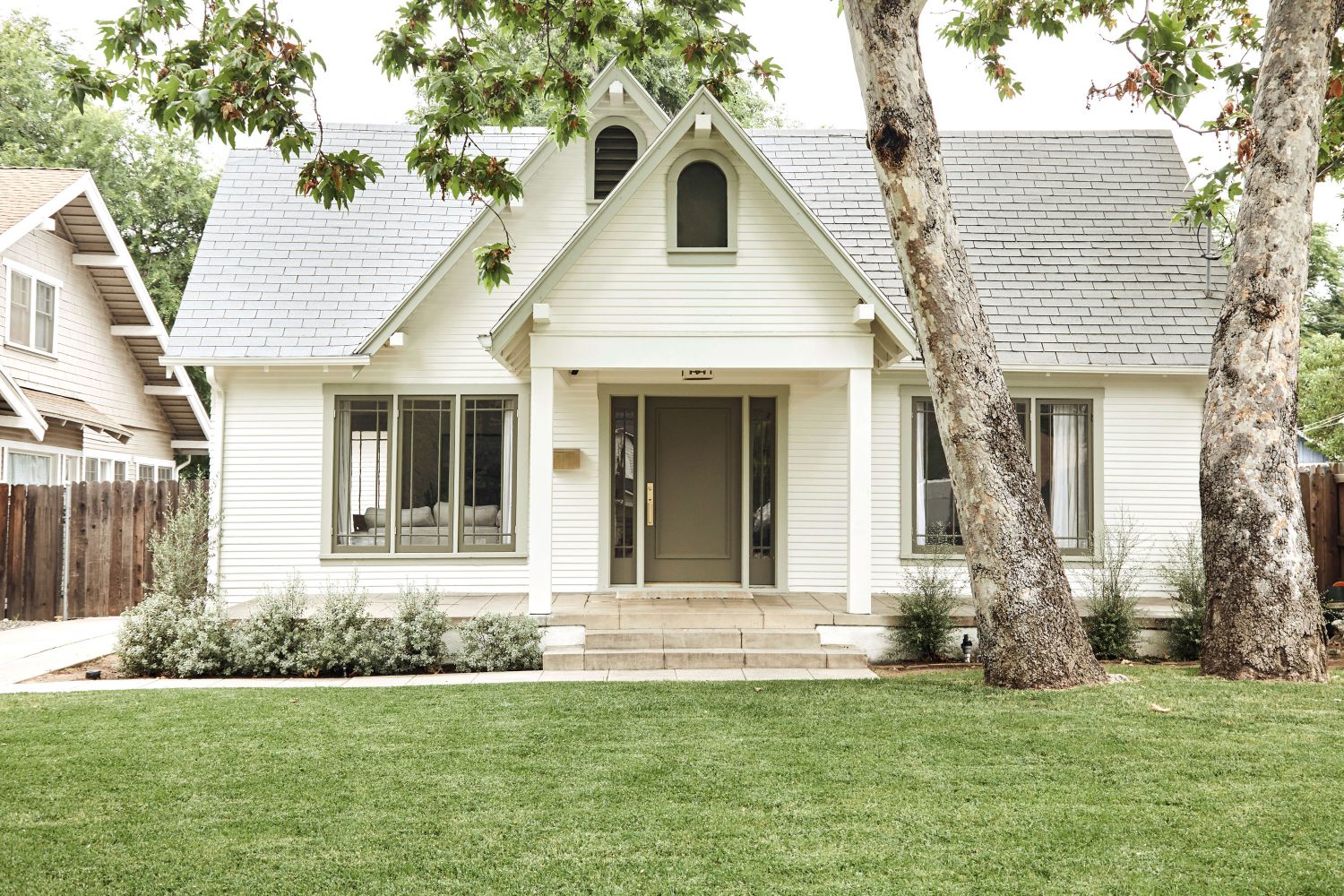
The look is a set of parts more than a style. A porch deep enough to hold a conversation. A gable facing the street. Clapboard or shingle in a color that has been there a while, a lawn without hardscape tricks, and a sidewalk under trees old enough to shade it. One era per street matters more than which era it is, because the camera reads the block before it reads the house. Homes like Americana 405 in Pasadena have every part in place. The collection behind this page runs 570+ locations deep, so the parts can be matched to the script instead of compromised on.
Period Americana: Craftsman Blocks and Retro Interiors
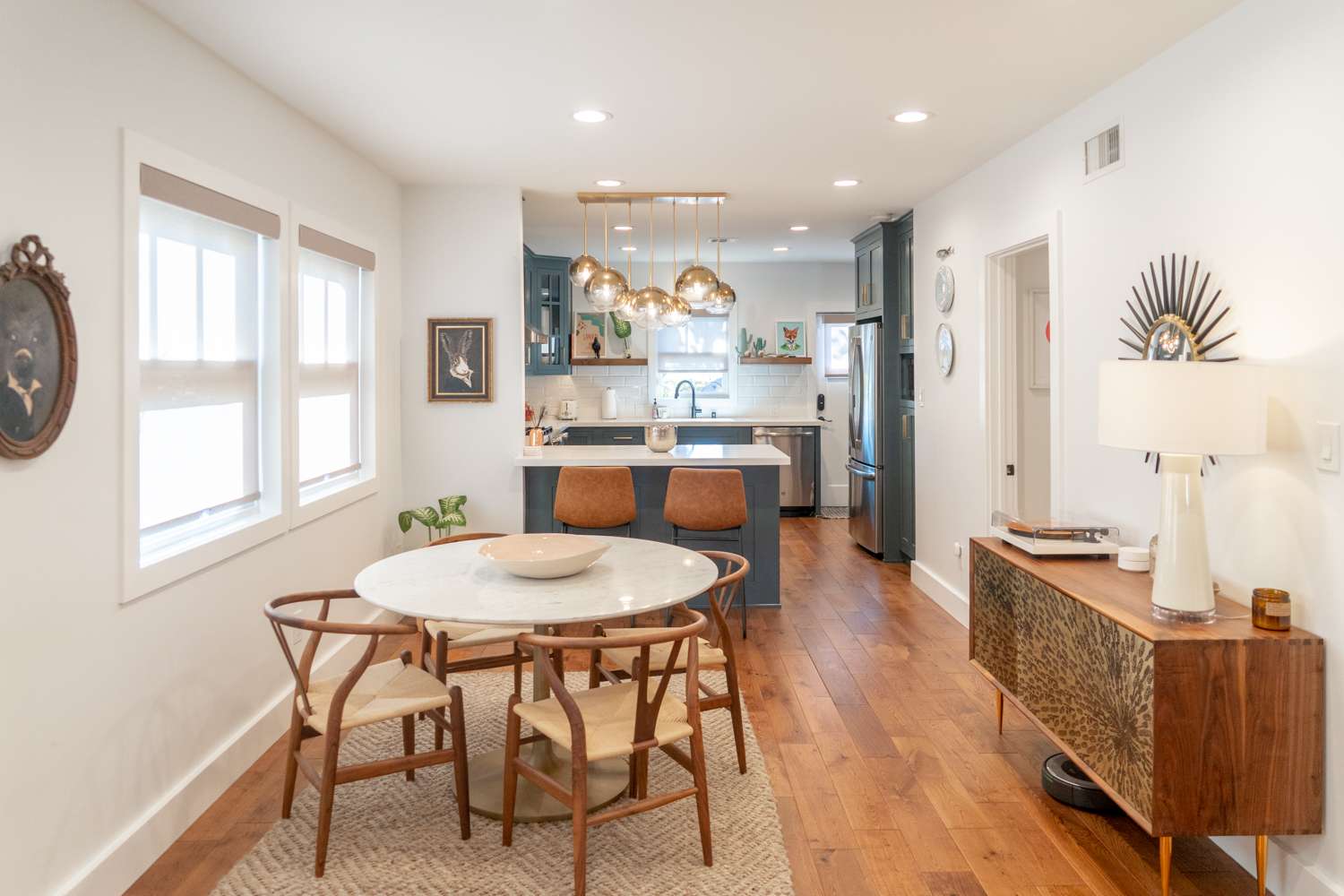
A period story needs more than one period house. It needs a block that holds together in the wide shot, and that is what makes Pasadena and West Adams valuable: whole streets of Craftsman and Victorian stock with mature landscaping, where the camera can pan without breaking the era. Highland Park extends the same fabric northeast, where properties like Americana 351 pair the neighborhood's period streets with bright, renovated interiors that shoot as the modern family home. The retro end of our inventory preserves the kitchens, dens and wallpaper scripts name by decade. For period commercial interiors, our diner collection has the booths and counters those scenes are usually written around. Match the era and the income bracket the script implies, and the street does the production design for you.
The Backyard: Pools, Garages, and the Suburban Interior

Half of suburban screen life happens behind the house, and the backyard is where listings win or lose the booking. A pool with afternoon sun, a garage that can play a workshop or a band rehearsal, a kitchen with sight lines to the yard: these are the spaces family stories actually use. Yards like the one at Americana 403 in Hancock Park carry the whole kit, pool, deck and lawn in one setup. When you scout, walk the coverage, not just the front elevation. A house that gives the camera a clean path from front door to kitchen to yard shoots faster than a prettier house that does not, and shooting faster is the cheapest production value there is.
Abandoned and Empty Suburban Neighborhoods for Full Takeovers
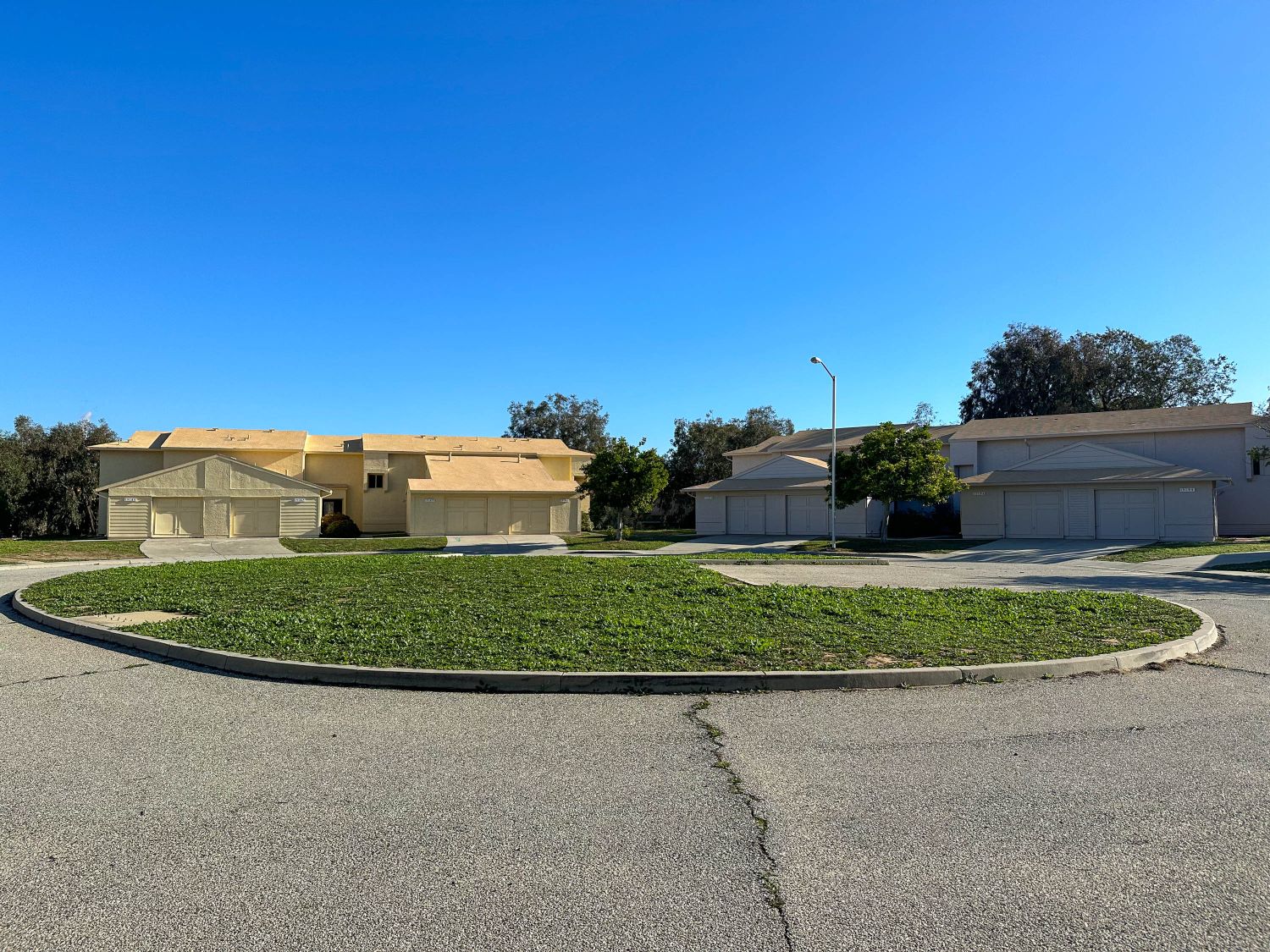
Some scripts need the suburb with nobody in it, whether that is an evacuation, a dream sequence, or the end of the world. A working residential street can rarely deliver that, because you never fully control a block where people live. Residents keep their driveways, notification rules apply to every household, and quiet hours end the night early.
The standing-set option removes all of it. Our Abandoned Neighborhood in San Pedro is the literal version: a street of real, empty houses where the production is the only resident, and the block dresses to the era and condition the story needs. Movie ranches extend the same idea at scale, with properties like Studio 93 in Castaic among the ranch inventory in our backlot and movie ranch collection, where neighborhoods were built to be shot: no residents to notify, night work negotiated with one owner instead of a hundred households, and streets that have played everything from the Dust Bowl to the day after tomorrow.
What each set physically offers differs per property. Some houses are shootable inside and out; others are facades with the interiors matched elsewhere. Effects, atmosphere and stunt work that a live street would never host are conversations with a single owner here, not a neighborhood campaign. When the takeover is total, this is the honest way to get it, and it is usually the cheaper way once the notification logistics of a real street are priced honestly.
What Makes a House Bookable
Owners often ask us what separates the houses that book constantly from the ones that do not, and the answer is rarely beauty. Productions choose light, parking and flexibility: rooms that take a camera and eight people without walls coming down, a street where trucks can live for a day, and an owner who says yes to reasonable requests quickly. Houses with production history book again, because the second shoot day is always easier than the first. The same logic serves producers in reverse: a listing with production history is a listing with fewer surprises.
Permits and Neighbor Logistics for Residential Shoots
Residential filming is a neighborhood event, and the productions that go smoothly treat it like one. Shoots inside LA city limits, including Studio City and West Adams, permit through FilmLA with the standard resident notification; Pasadena and South Pasadena run their own film offices, and both are practiced at this. Parking, basecamp and quiet hours are the real planning items, and our listings flag what each street can take.
Common Questions
Can you film a full suburban street takeover in Los Angeles?
Yes, two ways. On a live street it means a block permit with resident notification and real diplomacy. On a standing set like our Abandoned Neighborhood in San Pedro or a movie ranch street, the production controls the whole block by default, which is why evacuations, period streets and night-heavy scripts usually book the set.
Can residential shoots run overnight?
On live streets, night work is bounded by permit conditions and neighbor relations, and it is the first thing to plan honestly. Standing sets and ranches negotiate night work with a single owner, which is one of their quiet advantages.
How does neighbor notification work?
Inside LA city limits, FilmLA's process includes notifying affected residents ahead of the shoot; independent cities like Pasadena run their own versions. It is routine in neighborhoods that host crews regularly, and our listings note which streets those are.
If the script describes a family, we can usually name their street. Send it over.
