
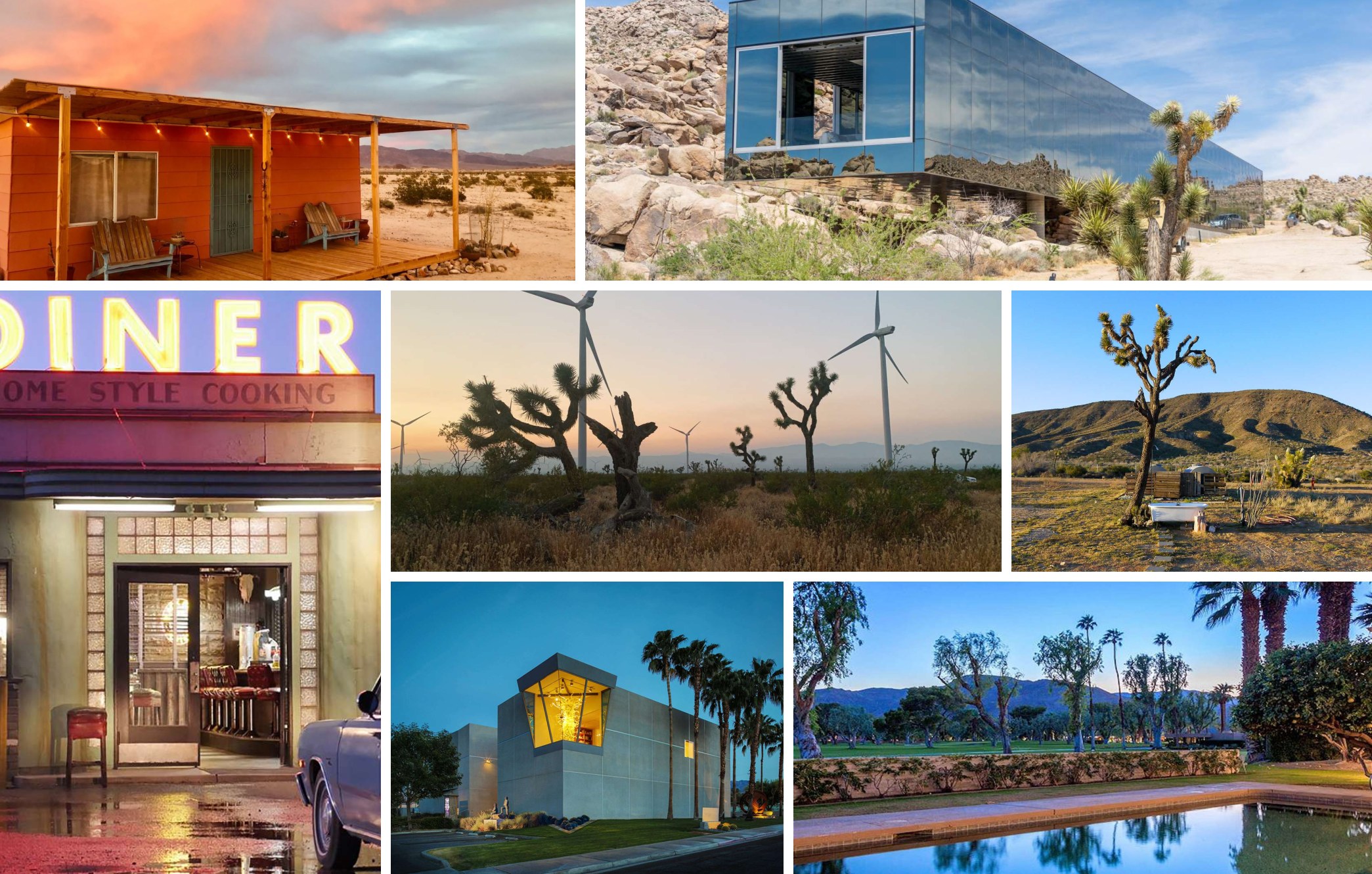
Every desert east of Los Angeles photographs differently, and choosing the wrong one costs a production money it never needed to spend. The boulder fields of Joshua Tree are a long move that a script set in generic scrubland does not require, and the midcentury glamour of Palm Springs cannot be faked in Palmdale. This guide compares the six desert regions where productions actually shoot, drawn from the 80+ film-ready desert filming locations we represent.
| Region | Drive from LA | Signature look | Permit note |
|---|---|---|---|
| Antelope Valley | About 1 hour | Flat scrub, big sky, industrial edges | Palmdale and Lancaster each run city film offices |
| Santa Clarita and Agua Dulce | 35 to 45 minutes | Movie ranches, canyons, standing sets | Inside the 30-mile studio zone; Santa Clarita runs its own film office |
| Mojave and the dry lakes | 1.5 to 2 hours | Cracked flats, empty roads, aerospace fringe | Lake beds are largely public land with their own permit processes |
| Palm Springs and Coachella Valley | About 2 hours | Midcentury modern, pools, mountain backdrops | Palm Springs runs its own film office |
| Joshua Tree and the high desert | 2 to 2.5 hours | Boulder fields, homestead cabins, twisted trees | Town properties are San Bernardino County; the National Park is a separate federal permit |
| Pioneertown and Yucca Valley | About 2.5 hours | Western standing sets, ranchland | San Bernardino County |
Joshua Tree and the High Desert
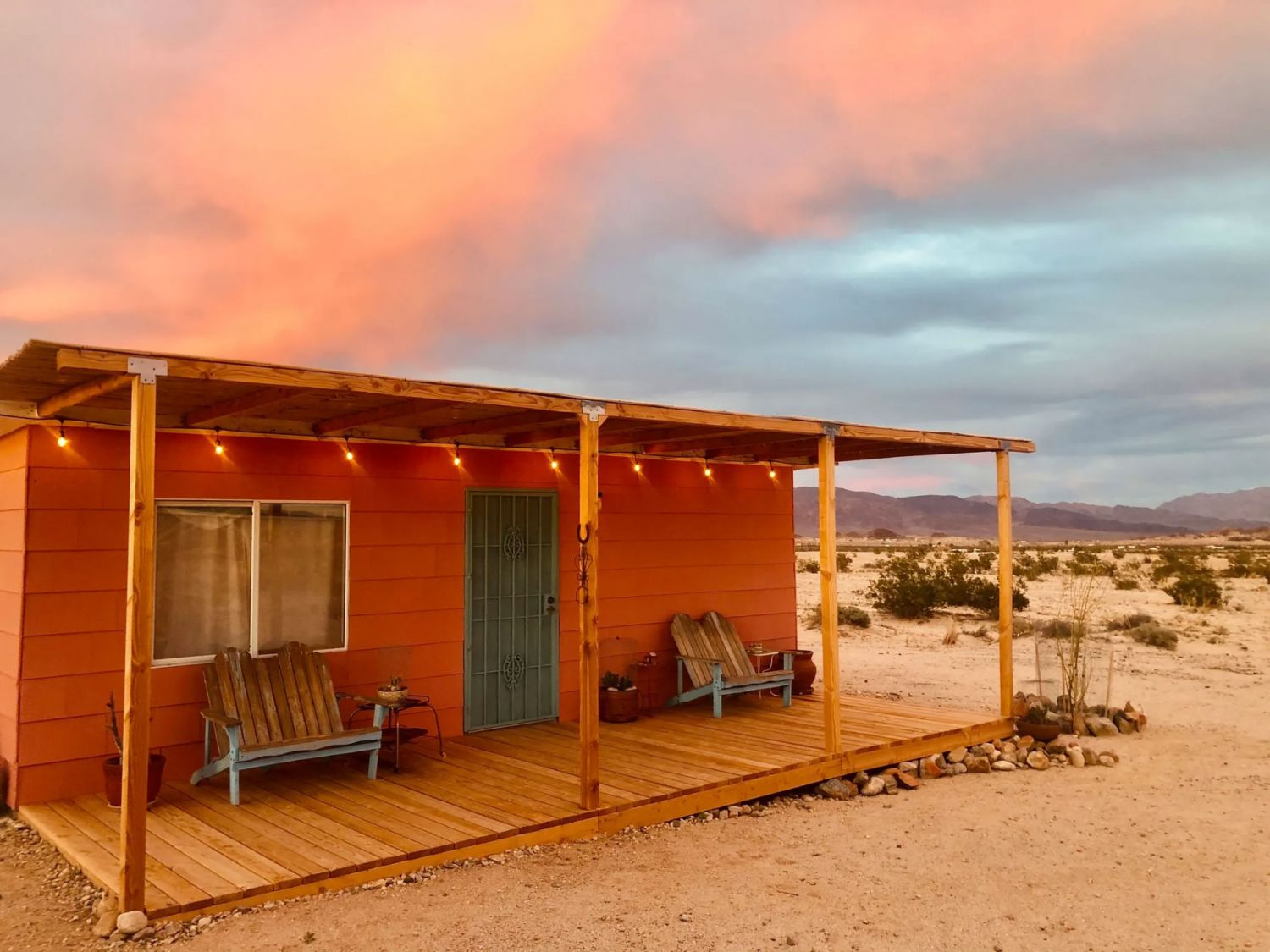
Joshua Tree is the desert people picture: boulder piles, twisted trees, and homestead cabins sitting alone in a mile of scrub. It is the strongest choice when the landscape itself is a character. One distinction saves real confusion here. The town of Joshua Tree and Joshua Tree National Park are different jurisdictions. Inside the park you are in a federal permit through the National Park Service, with its own rules and timelines. At a private property in town you need no federal permit at all, and the boulders do not stop at the park boundary, so most shoots end up on private parcels. Architectural properties out here trade on the contrast between hard geometry and wild ground, and none more so than The Mirror House, whose reflective walls have become a shot list of their own. Nearby Twentynine Palms adds working ranch land and long empty roads, with properties like Desert 31 putting the whole high desert palette on one parcel. Browse the area on our Joshua Tree page.
Palmdale, Lancaster, and the Antelope Valley
The Antelope Valley is the closest desert to Los Angeles, and honestly that is most of the pitch. Flat scrubland, big sky and industrial edges, all within a manageable drive of the studios. When the script says desert without naming one, this is the economical answer. Properties like Desert 3 in Palmdale give productions the open horizon without the overnight lodging a deeper desert move can force. The valley also pairs well with split days: a morning in the scrub and an afternoon back over the hill is a real schedule here, not an optimistic one.
Santa Clarita and the Movie Ranch Belt
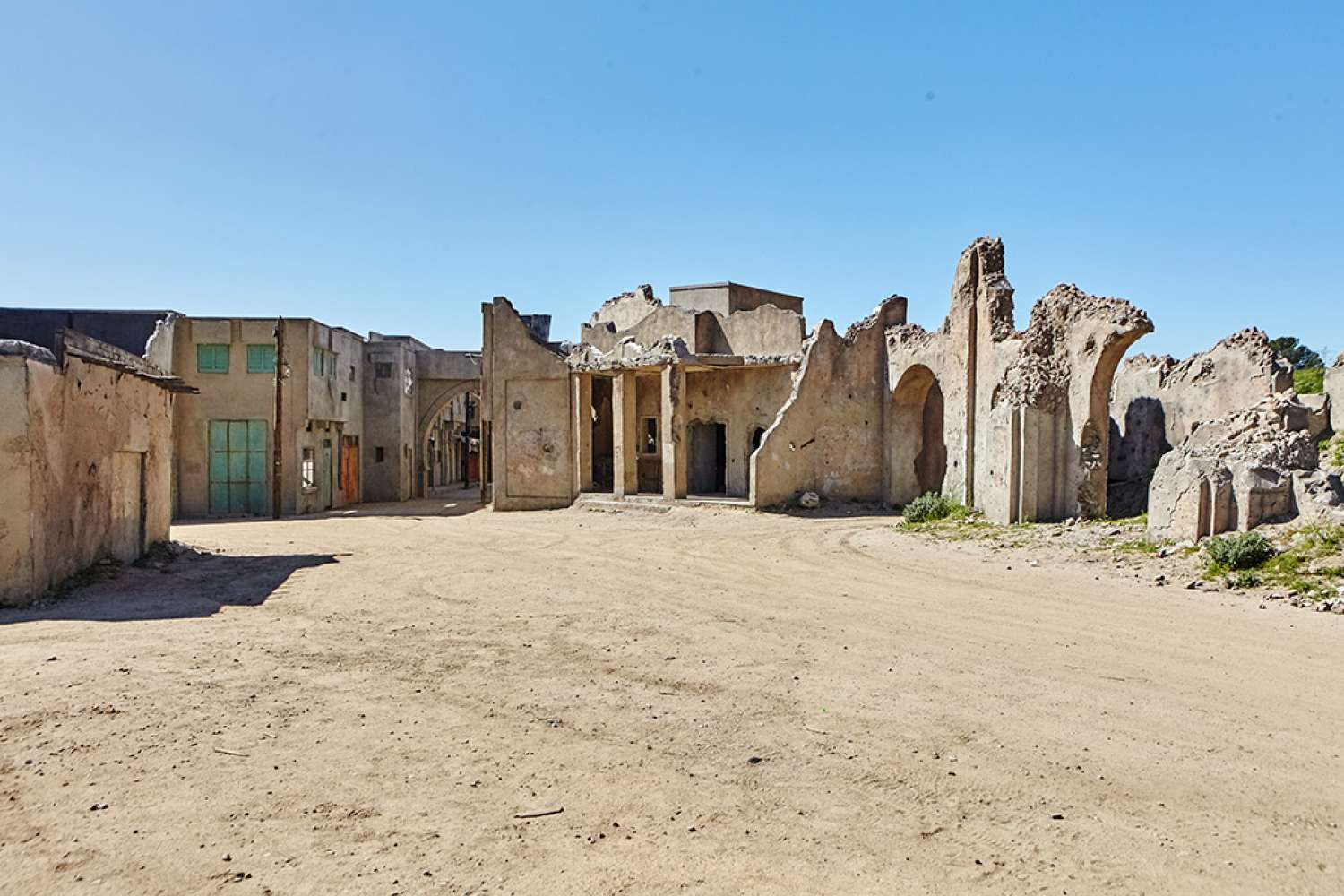
The desert closest to a paycheck is the ranch belt north of the city, through Santa Clarita, Agua Dulce and Acton. This is the only desert on this page inside the 30-mile studio zone, which keeps crew mileage and turnaround on standard terms. The look runs from open ranchland to full standing sets, and Desert 1 in Santa Clarita shows the range; its ruined village has played war zones and lost cities no art budget builds from scratch, with Desert 25 in Agua Dulce and Ranch 60 in Acton extending the corridor. When the schedule cannot afford a move past the zone, this belt is the answer.
The Mojave and the Dry Lake Beds
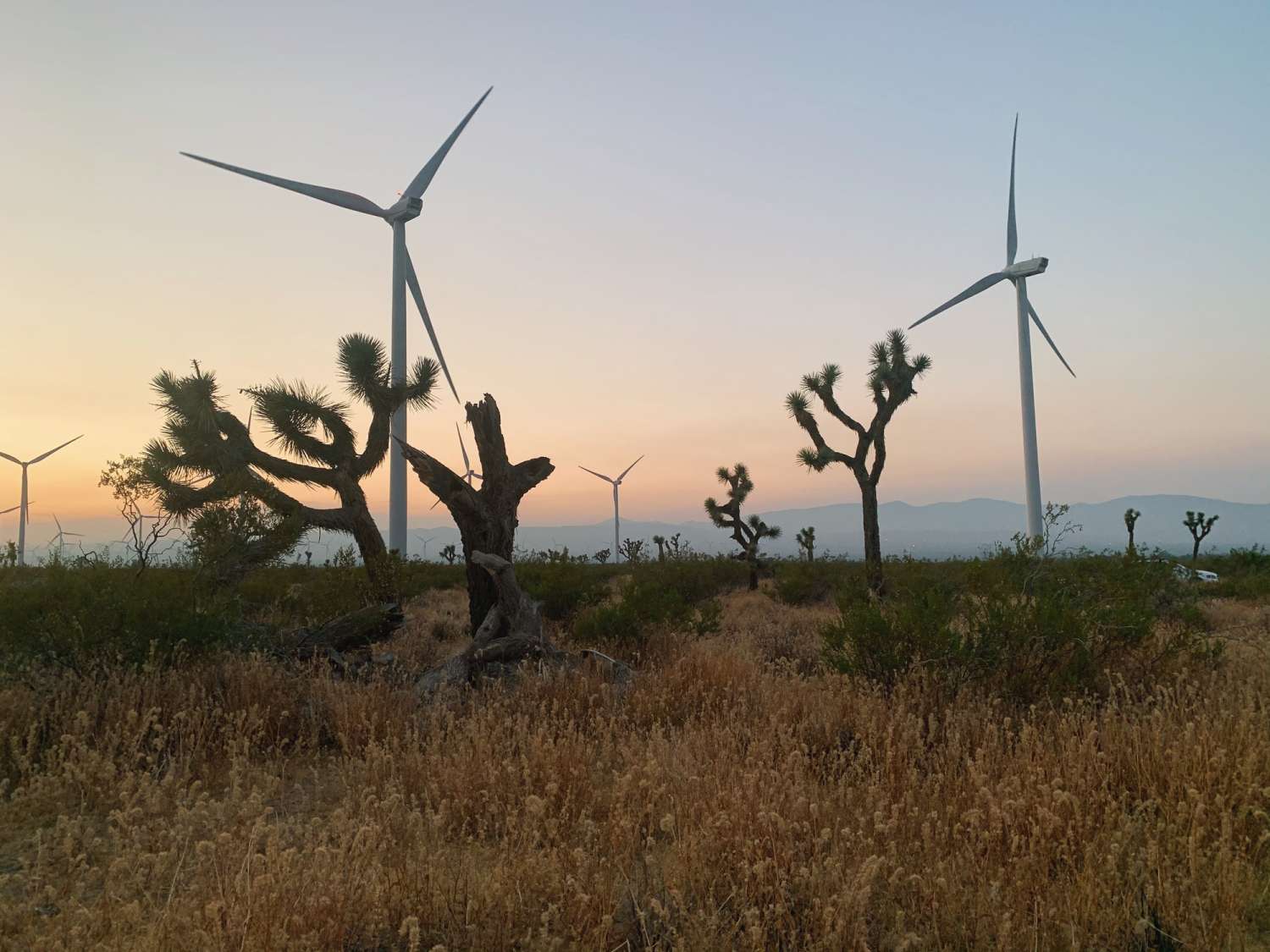
Between the Antelope Valley and the high desert, the Mojave holds the look that sells cars: cracked lake-bed flats, dead-straight roads, and horizons with nothing on them. The dry lakes themselves are largely public land with their own permit processes, and shoots there are a specialized logistics exercise in water, shade and distance. Desert 20 in Mojave sits at the edge of this, Joshua trees against the valley's wind farms. It is private land, so the permit is a conversation with the owner, not a public-land process. If the board calls for a car on a cracked flat at dawn, plan the fuel, the crew welfare and the backup day before anything else.
Palm Springs and the Coachella Valley
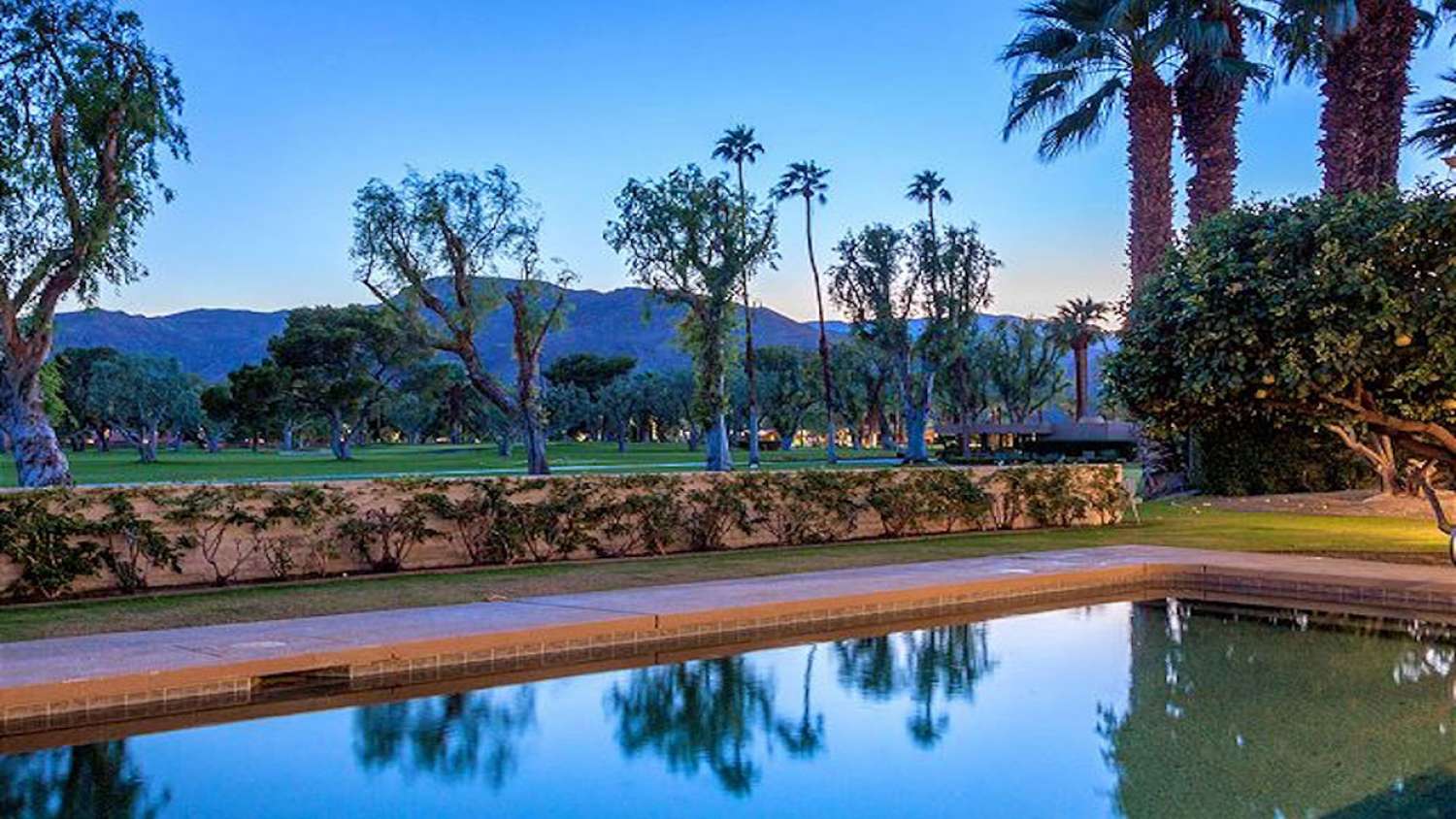
Nobody books Palm Springs for raw desert. They book the midcentury houses, the pools in afternoon light, and the mountains behind them that say money and leisure on sight. The reference image producers bring to a scout here is usually the Kaufmann Desert House, Richard Neutra's 1946 landmark; it is a private residence and not ours to offer, but the bookable midcentury stock delivers the same frame. Fashion, commercial and music video work books it hardest. The vocabulary runs the length of the Coachella Valley, from poolside estates like Rancho Mirage 2 to glass houses above the valley floor like Palm Springs 50 in Palm Desert. Start with our Palm Springs collection.
Pioneertown and Movie Ranch Country
Pioneertown was built in 1946 as a working western set, and it never stopped being one. The surrounding Yucca Valley ranchland holds standing sets, dirt main streets and properties whose owners have hosted generations of productions, with high desert homesteads like Desert 11 carrying the rougher end of the look. When the script calls for the West, or for an end-of-the-world emptiness no city location can fake, this is the region. Our Pioneertown and backlot and movie ranch pages cover the standing-set end of the inventory.
Desert Light: The Reason to Make the Drive
Desert light is hard, clean and consistent from mid-morning to wrap, with horizons that run uninterrupted in every direction. Golden hour arrives fast and leaves faster than city crews expect, so a schedule built around it must be honest about drive times. The reward is a quality of light no diffusion rig reproduces: shadows with edges, skies that hold color, and depth the camera reads for free.
Season, Heat, and the Shooting Calendar
The desert calendar is not the city calendar. Summer highs regularly pass one hundred degrees in the high desert and run hotter on the Coachella Valley floor, which pushes crews toward dawn calls, shaded staging and honest talk about company welfare. Winter brings the cleanest air and the longest usable light, and spring adds green ground cover that surprises people who expect year-round brown. None of this rules out a summer shoot; it just means the schedule should be built around the heat rather than in denial of it.
Permits and Logistics
Jurisdiction changes with the county line: parts of the desert permit through county film programs, cities like Palm Springs run their own offices, and the National Park is a federal process of its own. The permit path is a per-property fact rather than a regional one, and every listing names its office. Cell coverage thins in the deeper canyons and washes, and fuel, ice and lodging need real planning past a certain distance.
Common Questions
Do I need a National Park permit to film in Joshua Tree?
Only if you are filming inside Joshua Tree National Park, which is a federal permit through the National Park Service. A private property in town needs only the county process, and most productions shoot there for exactly that reason.
Which desert can I shoot without an overnight?
The Antelope Valley. At about an hour from Los Angeles, Palmdale and Lancaster support genuine day trips. Joshua Tree, Palm Springs and Pioneertown are two hours or more each way, and most productions lodge rather than round-trip a full crew.
When is the best season for a desert shoot?
Winter and early spring bring the cleanest air and workable daytime temperatures, and spring adds green ground cover most people never expect. Summer is shootable with dawn calls and serious heat planning.
Which desert is inside the studio zone?
The ranch belt through Santa Clarita, Agua Dulce and Acton. Shoots there stay inside the 30-mile studio zone, so the usual zone rules on crew mileage and turnaround apply, which is why the movie ranches settled there in the first place.
Send us the boards, or just describe the shot, and we will tell you which desert to book.
